

If you're new to the desert environment or an inexperienced gardener, knowing the best time of year to add new plants in Phoenix, Arizona, and when to avoid new plantings is key.
Summers in desert climates can be very severe. Rainfall is very infrequent, and temperatures during the day can be extreme. Even at night, when plants typically recover from the day's heat, temperatures can exceed 100 degrees.
A few years ago, temperatures in Phoenix reached 100 degrees or higher on 145 days!
Due to the infrequency of cloudy days in the Phoenix area, the intensity of UV rays is high. Even on the rare occasions when there is cloud cover, UV rays can still be quite strong. This pattern is also observed in other parts of the southwest, where cloudless days and intense UV radiation are common.
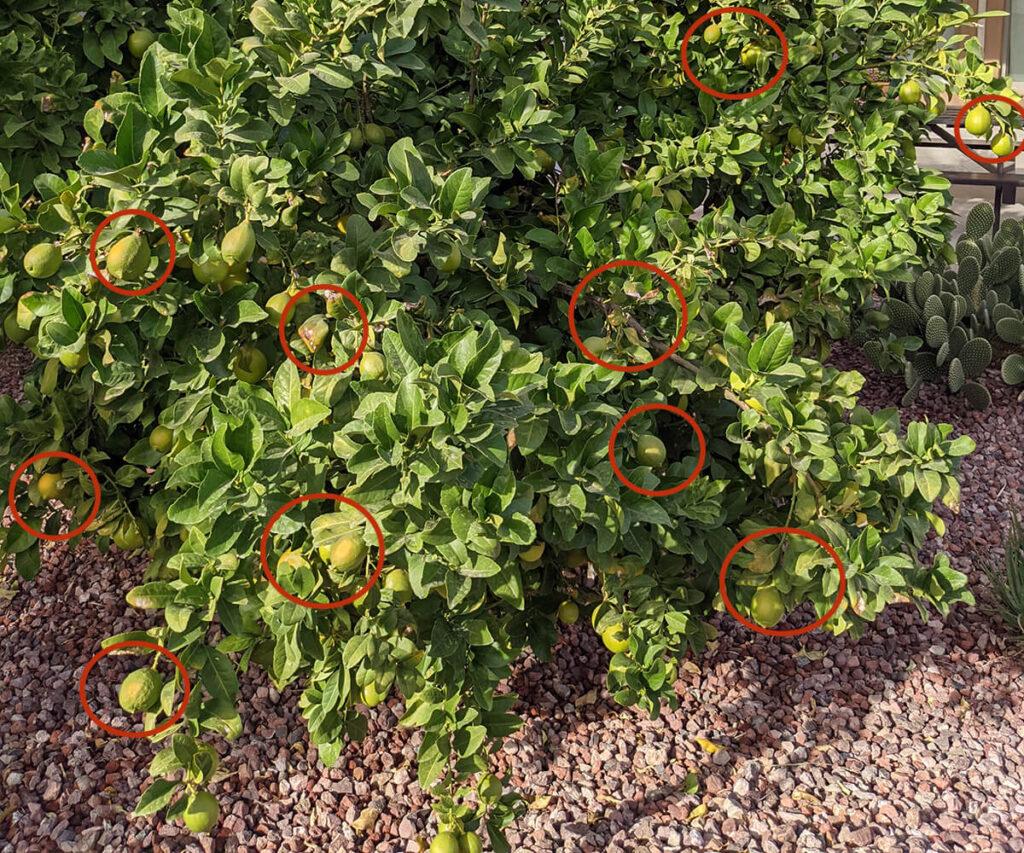
This can damage palm trees, cacti, citrus trees, shrubs, and flowers and, in some cases, even cause plants to perish.
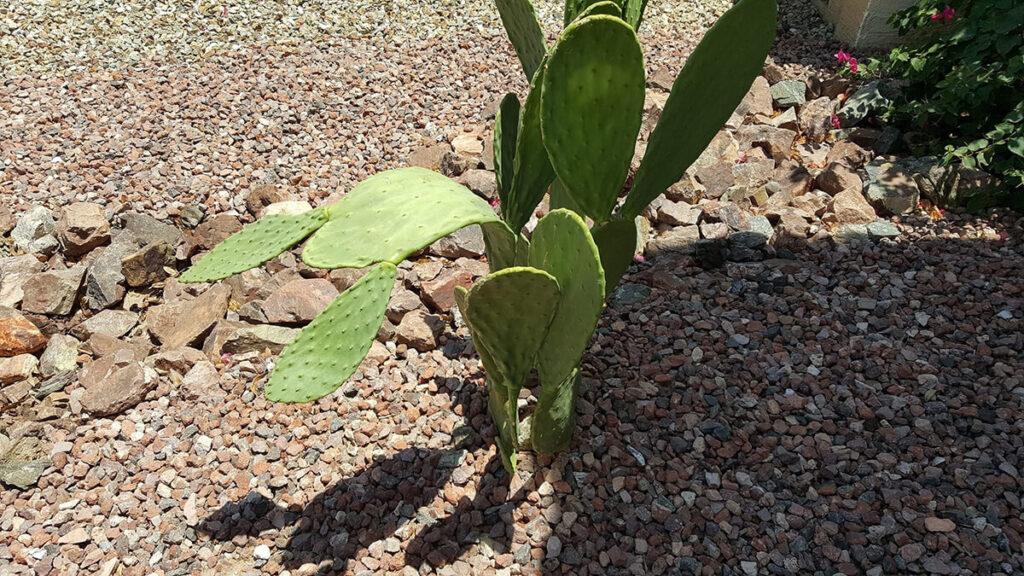
The above photo shows a relatively new prickly pear cactus. Notice that the portion of the cactus in the shaded area appears to be doing better than the portion exposed to direct sun.
Today, this same cactus is about 12 feet tall. During the most extreme parts of the summer, it does droop to a certain degree and has scorch marks on some of the pads.
Because of the harsh summer conditions, the best time of year to add new plants is between October and March.
Planting in the spring only provides a little time for new plants to get acclimated to the new conditions, and it offers little buffer before the beginning of summer temperatures in April.
Why the Fall is the Best Time of Year to Add New Plants
The idea behind planting in the fall is to give your newly planted trees and shrubs plenty of time to establish themselves before summer. When you first place new plants into the ground, the root systems are small and compact. Planting in the fall gives a new plant several months for the root system to spread and acclimate to the soil conditions.
Fall in the Phoenix area means temperatures generally range from 60 to 80 degrees. Occasionally, they can exceed 90 degrees, but typically, this is for a few days.
Because of the favorable temperatures and generally wetter conditions, new plants have an opportunity to adjust to the environment. They won't be beaten down by the intense sun and high temperatures.
The fall season in the Phoenix area provides more frequent rainfall. Although, compared to other areas of the country, the amount of precipitation is meager, it's enough to allow a new tree or shrub to establish a more robust root base.
You should still water new shrubs or trees regularly throughout fall and winter. I prefer to hand-water plants, but drip irrigation should provide sufficient water for the fall months. Remember, new plants have a smaller root system than established plants, so their ability to take in water is decreased.
New plants use the cooler weather in the fall to develop more robust root growth. Once spring arrives, trees and shrubs will shift their growth to grow above ground.
The Best Selection of Plants for Sale Occurs in the Fall
The best selection of healthy plants available for sale is in the fall. Chances are, if you buy a plant in August, it has been in inventory for several months. If you visit a garden center or nursery during the summer months, you'll notice very little change in inventory from week to week.
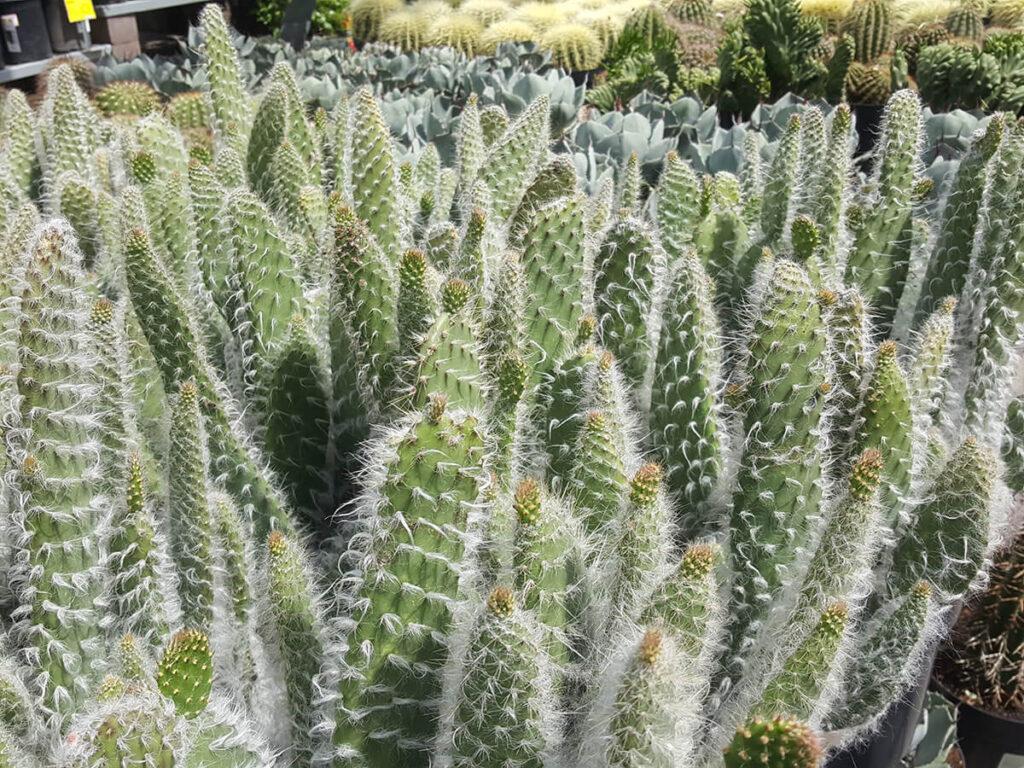
Fall also represents the time of year when you're most likely the best selection of plants.
Planting in the fall gives new trees and shrubs about 6 months to establish themselves before the daily grind of 100+ degree days begins in May.
The first summer I lived in Phoenix, I ignored the suggestion to plant in the fall. Even the cashier at Lowes warned me not to plant the cart full of plants she was scanning until temperatures subsided.
I thought I could make planting in the summer work because I was more attentive than most homeowners. Big mistake! Many of the plants I bought that day perished, including some still in pots I thought I could protect by leaving on my patio.
If you are unfamiliar with desert plants or want information on plants that use the least water, AMWUA (Arizona Municipal Water Users Association) is an excellent resource.

Ask Me! 
Need some expert guidance? Shoot me a message, and I'll provide actionable, free advice to solve your problem.
Message Me