

The South American palm weevil (Rhynchophorus palmarum) is a large black beetle native to tropical regions of the Americas. (Fig 1) It poses a significant threat to various palm trees throughout Latin America. It is now considered an invasive species in parts of North America, particularly México, the Caribbean, Arizona, and California.
Agricultural specialists have detected the weevil numerous times in shipments of tropical fruit at US airports, land borders, and ports. The SAPW is also suspected of flying across the border from Tijuana, México, into San Diego, California, where it has infected Canary Island date palms.
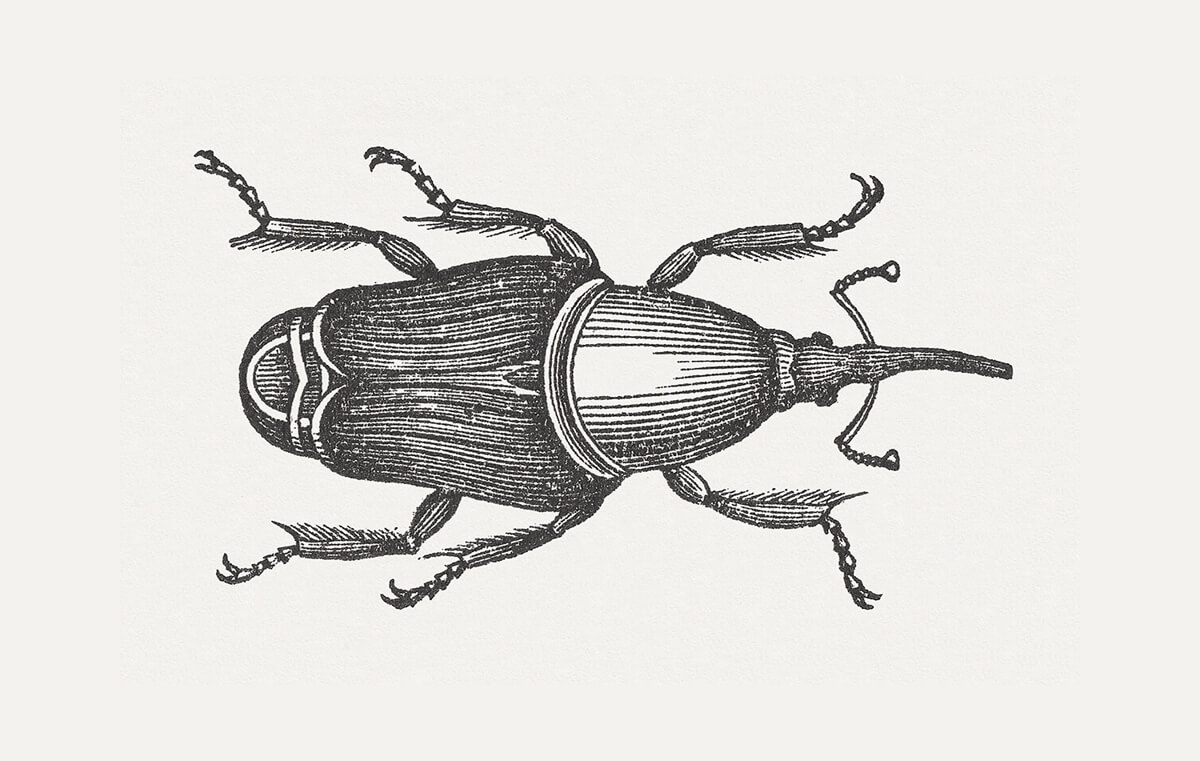
The rapid spread of SAPW to North America is thought to have been caused mainly by climate change and the importation of palm tree stock from regions in South America that are already infected.
Similar to the method in which the glassy-winged sharpshooter spreads Xylella fastidiosa to oleanders, the SAPW, a carrier of the red ring nematode (Bursaphelenchus cocophilus), introduces the nematode when it attacks a palm tree, which in turn causes red ring disease.
The name "red ring" does not refer to the nematode's appearance but rather to the symptom they cause in palm trees—a reddish-brown ring that appears in cross sections of an infected palm tree. (Fig 2)
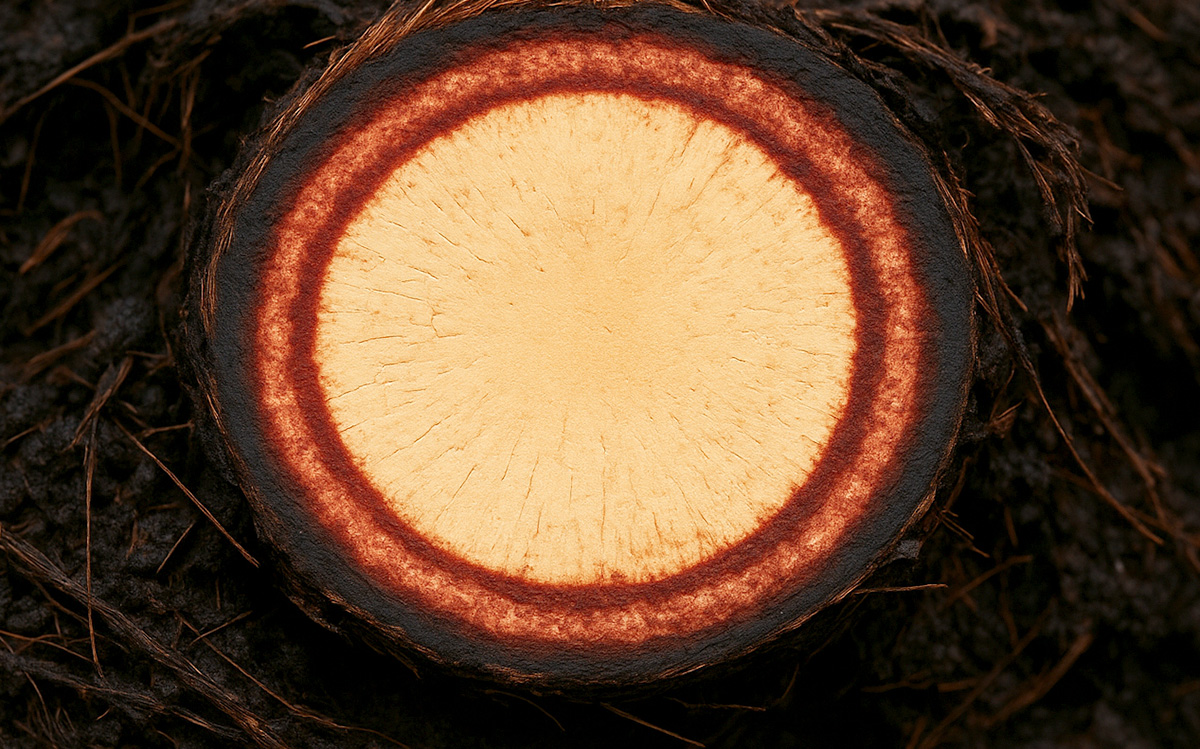
When the weevil introduces nematodes to the palm tissue, the nematodes rapidly multiply and spread throughout the palm's vascular system. The nematodes disrupt the tree's ability to transport water and nutrients, causing the characteristic red ring symptoms and eventually killing the tree.
The SAPW tunnels through the vascular system and consumes palm tissue, which does not always kill a healthy palm tree. Instead, it's the action of the nematodes that delivers the fatal blow.
Affected species of palm trees typically include coconut palms, date palms, oil palms, Canary Island date palms, and Cuban royal palms. Although SAPW is known to infect over 17 different species, including the Mexican fan palm, it primarily infects plantation crops.
Dispersal and Infection by Red Ring Nematodes
The red ring nematode is about 0.8 10 1.2mm long and has a slender, nearly flat body that appears colorless under a microscope. (Fig. 3)

The red ring nematode parasitizes the SAPW, using it as a transport mechanism to infect palms as the SAPW flies from tree to tree, infecting palm trees. Ants, spiders, and other species of weevils have also been reported as possible vectors.
The SAPW is attracted to cuts or wounds in palm tree trunks, which provide easier access to the inner portions of the tree. Stressed or damaged trees emit a strong chemical odor called kairomone, which acts as a homing beacon, attracting both male and female SAPWs to the tree. The kairomones produced by the tree are a reaction to stressors that unintentionally attract the weevil through chemical signals, which let the weevil know the tree is a suitable host, adding additional stress to the tree.
The SAPW picks up the microscopic nematodes on its body or ingests them while feeding. When the weevil flies to the next palm, the nematodes it picked up are transported to the new tree. Nematodes can also be transferred from tree to tree by using infected tools.
Disinfect your all cutting tools after every use with a solution of isopropyl alcohol (70-100%) or a dilute bleach solution (1 part bleach to 9 parts water). Disinfecting your tools will prevent the nematode from spreading to otherwise healthy trees.
Nematodes live for about 7-10 days inside the weevil's body, but their lifespan on the body is a short 2-3 days. Amazingly, they can live for up to 90 days inside the decomposing flesh of the host palm tree. Adult SAPWs live for about 2-3 months, during which time they undergo several cycles of mating and egg laying.
Adult female SAPWs, which can carry thousands of nematodes, are the primary vector of red ring nematodes when they deposit them during oviposition. The nematodes remain with the SAPW larvae as they develop, including the emergence from the cocoon and the weevils' dispersal to other palm trees.
Oviposition is the process of laying eggs by insects, reptiles, and some fish. Female SAPWs use an organ called an ovipositor positioned at the end of their abdomen to deposit the eggs into a palm tree tissue.
A palm tree infected with red ring disease will die in as little as a few months after symptoms are first noticed. The initial symptoms, unusual growth from the canopy, are hard to detect because they are not visible from the ground.
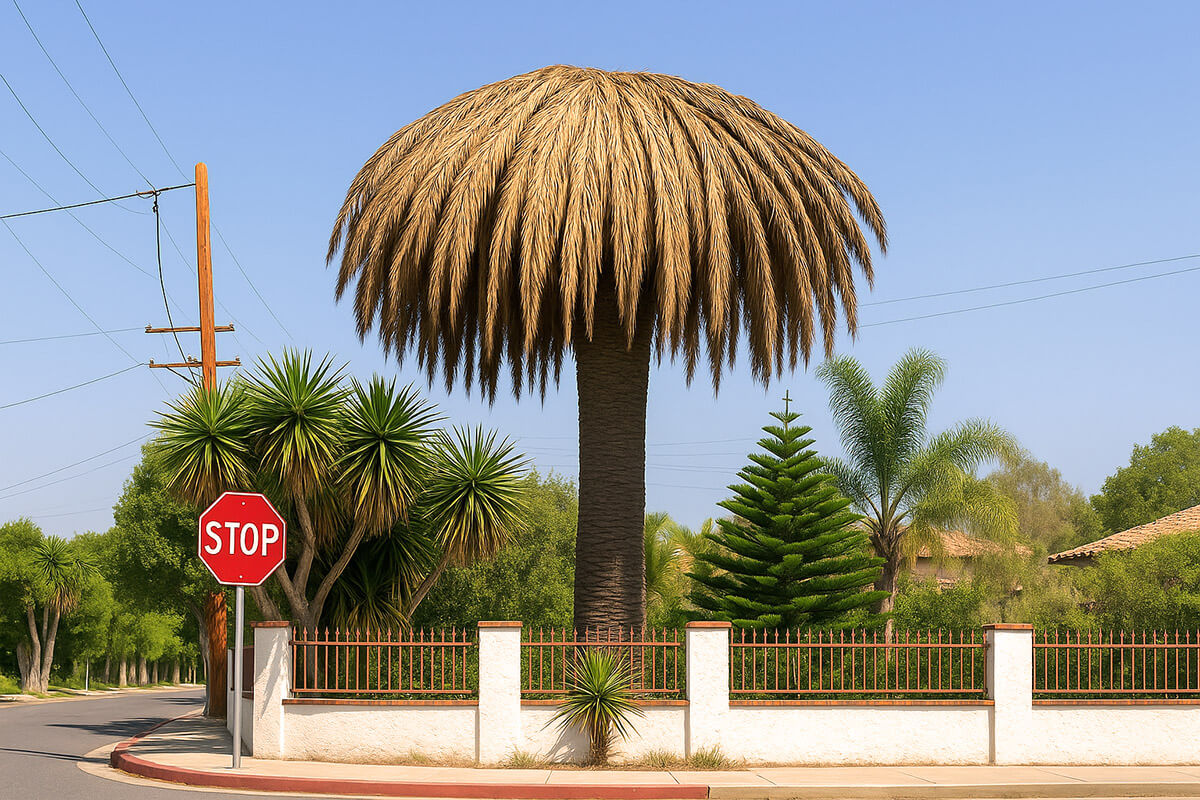
Symptoms include palm frond wilt, a gradual collapse of the crown, and the death of leaves from oldest to newest. In most cases, when symptoms become noticeable, it is too late to rescue the palm because the symptoms are the tip of the iceberg regarding the ongoing internal destruction. At this point, removing the tree is prudent to prevent any remaining weevils from migrating to a new tree.
South American Palm Weevil Detection
Although the presence of the SAPW is currently considered rare in Arizona and California, you can take a few preventative steps to mitigate the effects of a potential infestation. There are no known cures for a tree infected with red ring nematodes. However, early detection of the SAPW can prevent other trees from being infected. In some cases, a tree can be saved if treated early.
Because the environment in Southern Arizona is typically dry (low humidity), most areas are thought to be less prone to SAPW than areas in San Diego, for example. The SAPW is believed to thrive in damp, humid environments where plant tissue can rot easily.
- Examine the top leaves of palm trees for leaf tips that appear to be cut off or missing. Damage to the top leaves can occur before they open as the SAPW larvae tunnel into the leaf. When the leaf opens, damage from the tunneling will appear as though something cut off the top portions of the leaf.
- Perform a visual inspection of the canopy. The youngest leaves of the canopy should point upwards. If there are missing leaves due to damage from the SAPW, this will make the canopy appear flat at the top.
- Examine the palm for signs of tunneling (bore holes), browning, drooping leaves, or unusual liquid oozing from the trunk.
- Check the ground under a palm for cocoons, dead weevils, or frass (fine powder, sawdust-like material, or chewed plant matter) that may have fallen from the tree.
- If you own a Canary Island date palm, pay special attention as these are a favorite target for the SAPW.
- Spend a few minutes each week examining your palms. As you become more familiar with the growth of your palms, any abnormalities will be readily apparent.
- If you have taller trees, examining the crown can be impossible without using a ladder. If you have access to a drone, visual inspection can be made easier.
- Ask your landscaper to examine your trees for signs of weevils.
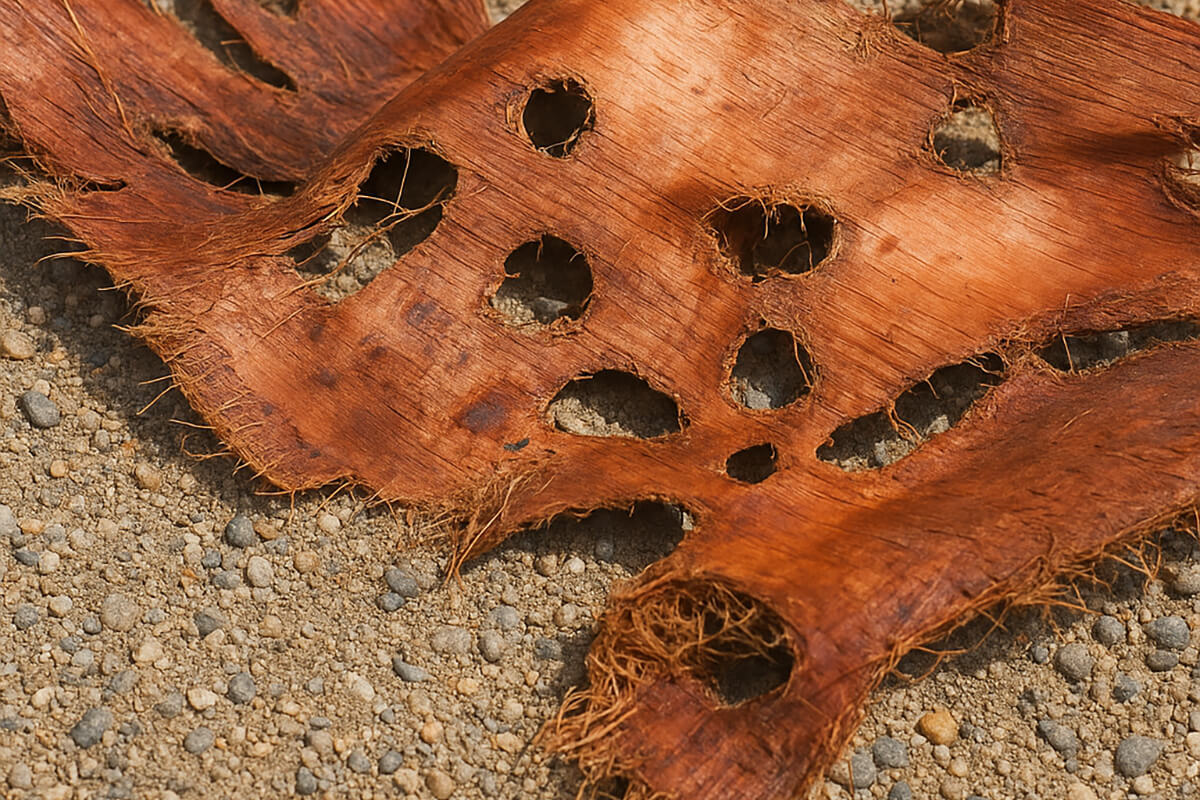
If you notice any of the above symptoms, it's time to call a professional arborist. If you do capture a weevil, place it in a sealed container and save it for an agricultural specialist.
Additional Resources
USDA Red Ring Nematode Fact Sheet
Pests of Landscape Trees and Shrubs: An Integrated Pest Management Guide, by the University of California
South American Palm Weevil Invasion in San Diego County, California, UC Riverside, Center for Invasive Species Research

Ask Me! 
Need some expert guidance? Shoot me a message, and I'll provide actionable, free advice to solve your problem.
Message Me