
Using drip irrigation versus hand watering depends on a few things, including the type of plants you own, where you live, and how involved you want to be with the day-to-day care.
Before moving to Arizona, I'd never owned a home with a drip irrigation system, but they are ubiquitous in newer homes in the Phoenix area.
I was a proponent of the drip irrigation system for the first several years I lived in Arizona. Why? Because it was easy!
As I began to examine my plants more closely, I realized there might be better solutions for my yard than drip irrigation. Because of the harsh climate, I needed a more robust solution than putting things on autopilot.
"Set it and Forget it" Method
Remember the rotisserie oven in the late-night infomercials? Ron Popeil, the founder of Ronco, coined the phrase "set it and forget it" to hawk his rotisserie oven to millions of TV viewers.
Most people I have spoken to do the same with their irrigation systems. "Set it and forget it."
In a desert climate, many plants need a substantial soaking once a week. For example, citrus trees, which are not native to this region, require large amounts of water to support fruit growth.
The citrus orchard in my neighborhood floods their fields with thousands of gallons of water in the evening.
In older areas of Phoenix, homeowners flood their entire yards with water delivered via canals.
Palm trees will do okay with drip irrigation, but they need a considerable soaking weekly to thrive. The man from a local nursery who planted a Mexican fan palm in my yard mentioned I should provide a minimum of 25 gallons of water (per day) for the first several weeks.
Drip irrigation systems are okay for small plants that don't need a lot of water. However, trees especially need a lot more water than irrigation can provide. Some homeowners I've spoken to run multiple irrigation lines to the same tree to increase the amount of water delivered.
In my tests, adding a second line did not significantly increase the amount of water. To determine the amount of water delivered, pull the sprayer head and drip irrigation line (from the ground) and place it in a 5-gallon bucket. Let the irrigation system run and check to see how much water accumulates in the bucket.
The Hybrid System
Before I gave up on maintaining my irrigation system (more on that later), I ran it each day for about 15 minutes per zone. On the weekends, I supplemented things with hand watering. Plants that I knew needed more water would get a good soaking. It's easy to see which plants need additional water in a hot, arid climate.
The leaves of an orange tree, for example, will hang downwards when they aren't getting enough water.
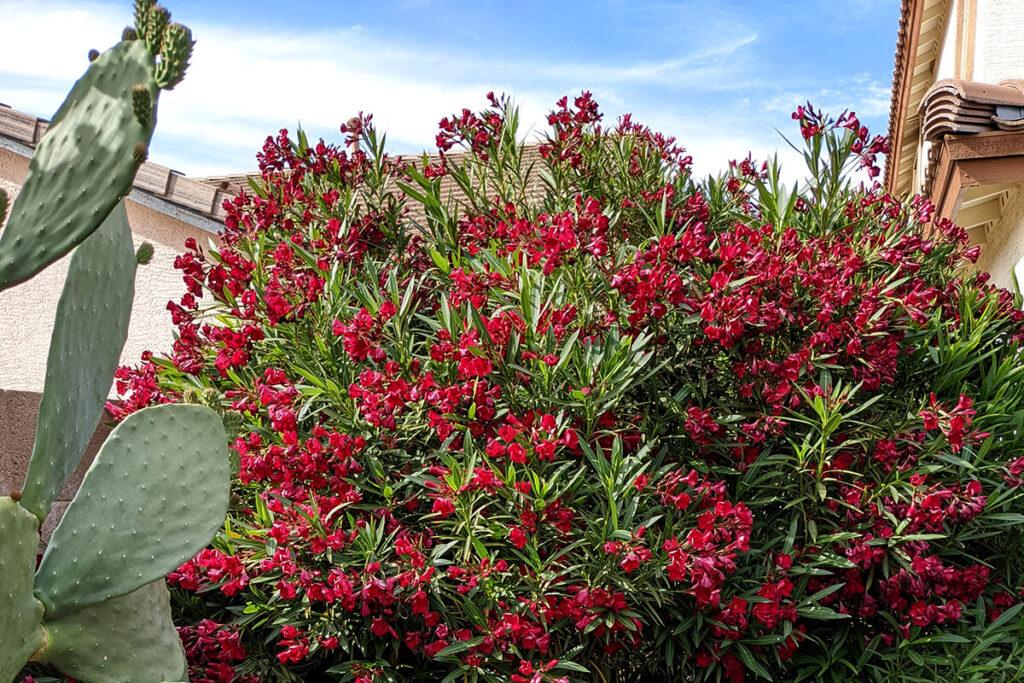
The "hardy red" variety of oleanders will not flower without enough water. When provided with sufficient water, they will bloom most of the year. When they receive less than the optimal amount of water, they appear healthy but won't flower. This was the case when I was only using irrigation.
If you have a busy schedule or are the type of person who does not enjoy being outside on hot days, use an irrigation system. Grab a hose and give your plants some extra water if you have a few minutes in the evening.
Maintaining a Drip Irrigation System
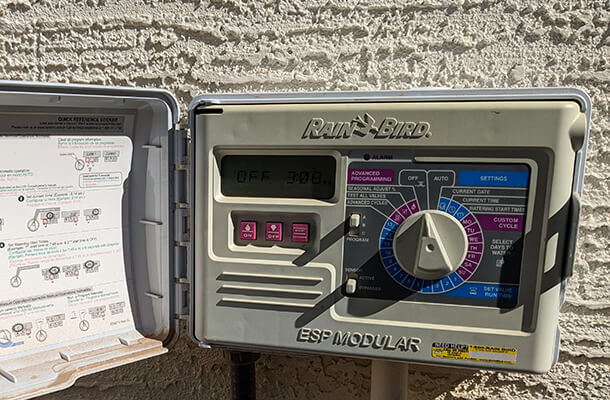
I own an older Rain Bird irrigation system that the home builder installed. The controller itself has worked flawlessly. The most challenging task is learning how to set a program and zones.
Determining the zones' locations is tricky if the previous homeowner set them up. The only way to figure out which irrigation lines are controlled by a zone is to run the program manually and walk through your yard (taking note of which spray heads are putting out water) to get an idea of which lines (and emitters) are controlled by a specific zone.

Once you have gotten things programmed and determined the zones, you'll need to check to ensure the times and duration of each zone are correct.
It took me the better part of a day to program my irrigation system. After taking notes on the scheduled run times, I let it run for a few days.
Setting the scheduling is only half the battle. After confirming the correct run times for each zone, you may have to address potential issues with the drip and feeder lines. Some of the problems I had are as follows:
- Low water pressure. I couldn't get consistent water pressure throughout the system. Some emitter heads had a 2-3 foot radius (of water), and others, barely a dribble. The spray heads are easy to replace; however, replacing them made little to no difference in most instances. Insufficient water pressure is caused by several issues, including a leak (upstream) in the 1/4 " drip tubing, a leak in the main line 1/2" feeder line, or too many 1/4" tee fittings feeding off the feeder line, none of which are easy to diagnose.
- Deterioration of the plastic tubing. Any drip tubing not buried sufficiently will get exposed to the sun, causing the plastic to become brittle. Damage to the spray emitter heads is also common because they are above ground.
- Mineral deposits. Calcium and salt deposits can wreak havoc on the lines and emitter heads over time. The water in Phoenix is very high in calcium, which collects on any surface exposed to water. Eventually, it clogs the sprayer (and the drip tubing), thus reducing the amount of water emitted.
- Ghost plants. Over time, I noticed trip tubing (and water) going to areas where no plants existed. I can only assume the previous homeowner removed the plant but forgot to plug the line.
- Broken feeder line. Feeder lines contain a lot of water under high pressure. When a feeder line breaks, hundreds of gallons of water can be lost if the leak isn't detected quickly.
- Severed lines. Chances are, you won't know the location of the feeder line or the drip tubing until after severing a line while digging a hole for a new plant.
Maintaining an irrigation system requires a commitment to keeping things running smoothly. If not monitored correctly, it can lead to plant loss or expensive water bills.
If you are purchasing a new home or installing an irrigation system in an existing home, draw a map illustrating the location of the feeder lines and drip tubing. A map can save you a lot of headaches in the future and is something you can turn over to a new buyer should you sell your home.
Whether you decide to use an irrigation system or not, minimizing the water needed to maintain the plants in your yard is a good practice.
Minimize the Use of Water
One of the best methods to minimize the amount of water your plants need is to use xeriscaping. Xeriscaping is landscaping with plants that require little to no water beyond what the climate provides.
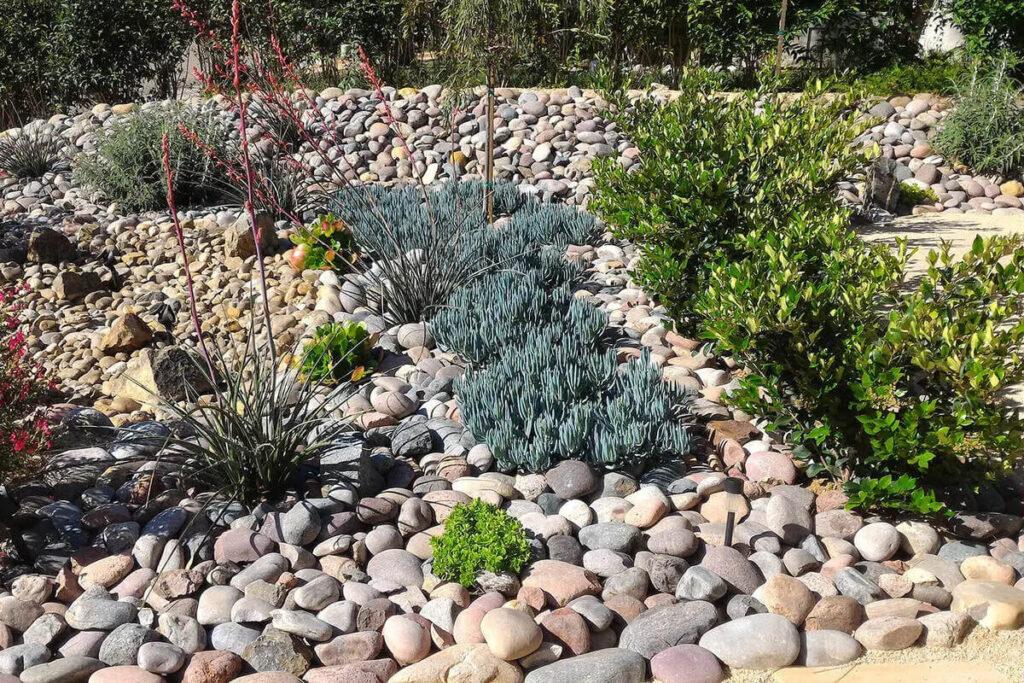
Grouping plants with similar water needs together is an efficient method to maximize the effectiveness of irrigation and reduce the amount of water required.
You can further limit drip irrigation by avoiding purchasing new plants during the summer months. For example, it's best to avoid planting anything in the Phoenix area between March and October.
A typical summer can bring less than 1 inch of rain, meaning newer plants will only get the required water by increasing the water dispensed by drip irrigation or hand watering.
Avoid plants that are not drought-tolerant. Home improvement stores commonly sell plants that are not fit for the area in which you live. Without daily water, most flowers will not survive in the desert southwest, especially Phoneix. Read the small information tag standard on most new plants. If the plant requires frequent watering, choose an alternative.
Use alternatives to a grass lawn. Grass requires frequent watering and is a poor choice for arid environments.
Which Method is Best for You?
If you have a hectic schedule or travel a lot, using an automated irrigation system is best. When time allows, you can supplement things with hand watering.
If you want the plants in your yard to excel, go with hand watering or a hybrid system. The nice thing about watering by hand is it allows you to observe each plant closely. If the plant needs extra attention, you can spot this immediately.
If you don't have an irrigation system and think one might be right for you, I like the systems that include a dryness system that can detect recent moisture. You'll save money because your system won't run unnecessarily after a recent rain.
One evening, during a recent walk through the neighborhood, I noticed a neighbor's irrigation system running. There was nothing unusual about this except that the previous day, we had one of the heaviest rains I've seen since moving to Arizona. Because the homeowner spends her summers in Alaska, she had no idea! Had she owned an irrigation system with a moisture detection feature, her system would have remained off.
You may also want to consider a system that works with a (phone) app. These systems are known as smart sprinklers. These systems can connect to local forecasting via Wi-Fi to make watering more efficient.

Ask Me! 
Need some expert guidance? Shoot me a message, and I'll provide actionable, free advice to solve your problem.
Message Me