
The agave snout-nosed weevil, an insect barely 3/4 inch long, can destroy a large agave plant in only a few days. Once infected, the agave you spent years growing is doomed. Fortunately, there's a "miracle" solution. Worm castings can protect against agave weevils and save your prized agave specimens.
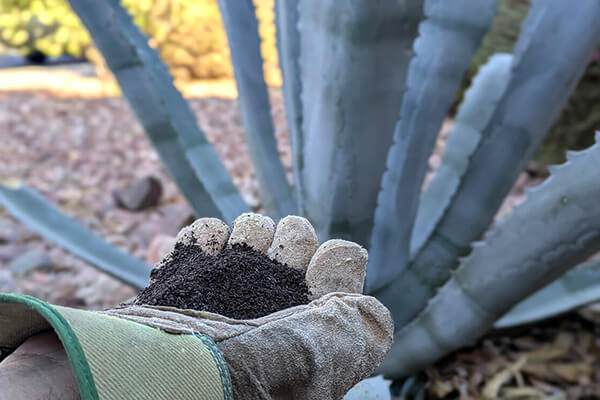
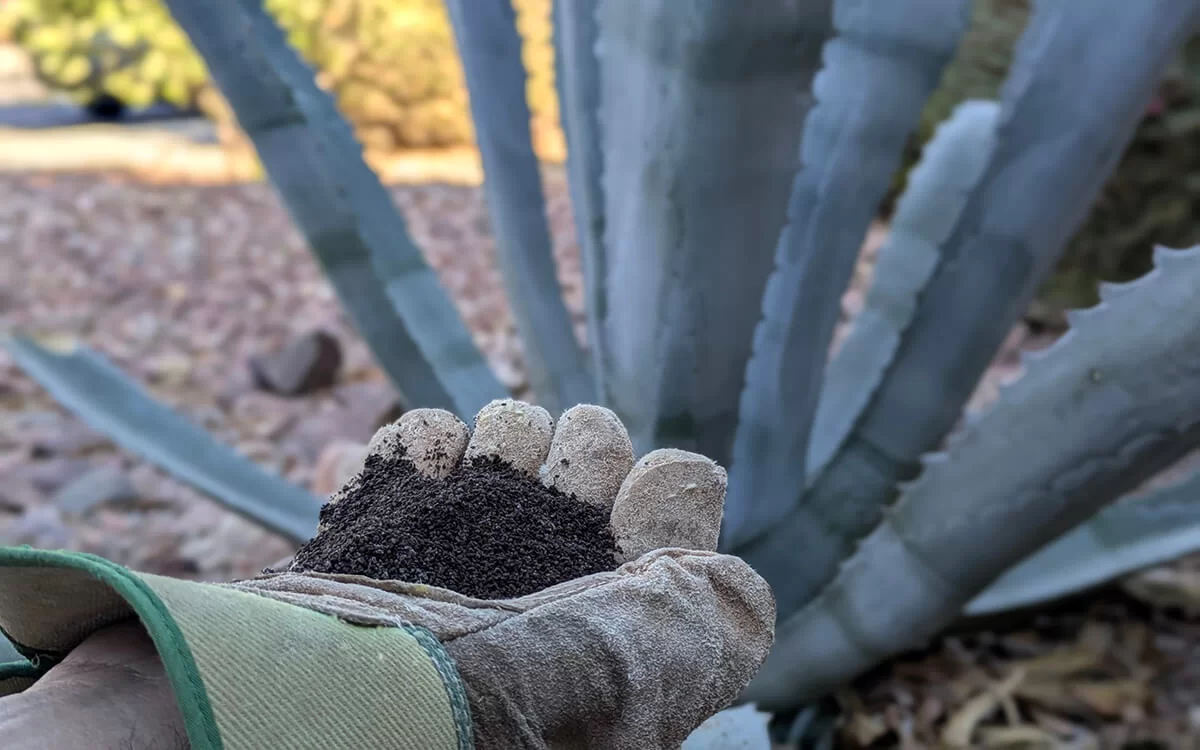
Worm castings are the mierda (shit) produced by the common red earthworm as it digests organic matter. Often referred to as vermicompost, worm castings are an excellent organic fertilizer, in addition to protecting agave plants from the dreaded agave snout-nosed weevil. (Fig 1)
Worm castings contain several interesting enzymes, including chitinase, that break down chitin, the primary component of insect exoskeletons. This enzymatic activity can disrupt the development of weevil larvae, preventing them from maturing and causing damage to the agave.
Chitinase also acts as a natural defense mechanism, deterring insects like the adult snout-nosed weevil from laying eggs or feeding on the plant.
Worm castings contain other enzymes including: protease, amylase, cellulase, lipase, urease, phosphatase, dehydrogenase, ligninase, peroxidase and catalase. These enzymes work synergistically with microbes to accelerate the decomposition of organic matter.
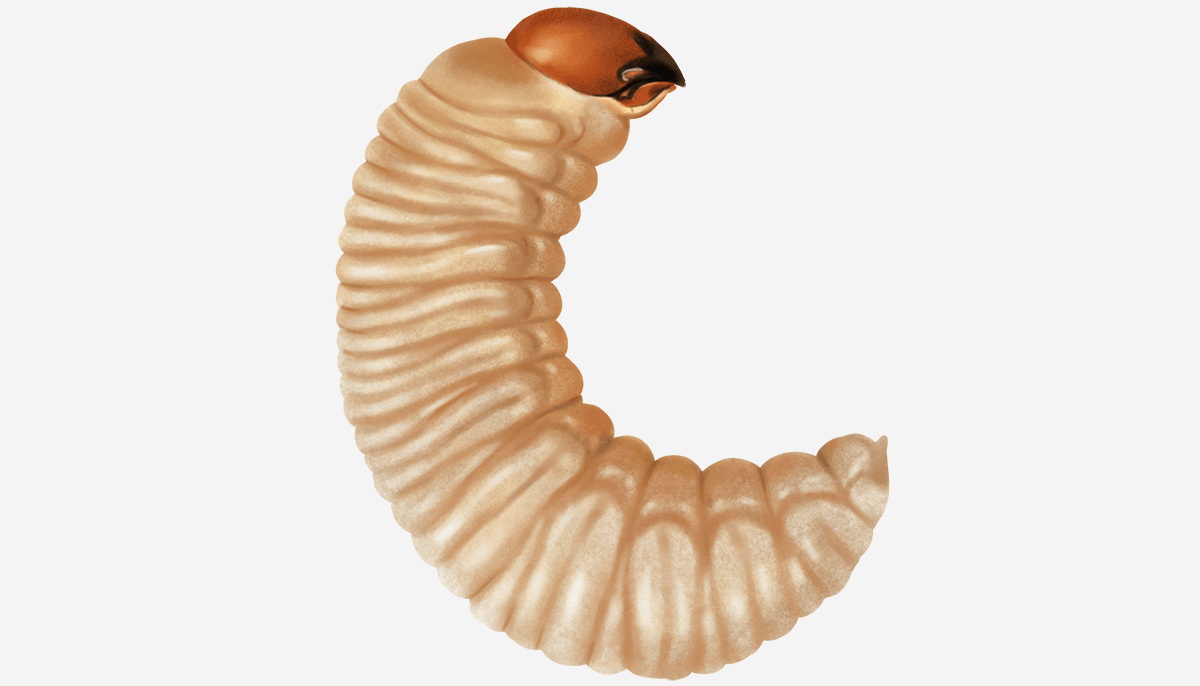
The larvae, an unsightly slug-like creature that resembles a maggot on steroids, quite literally suck the life out of agave. (Fig 2)
Without an exoskeleton, the larvae's body will collapse under its weight. Interrupting the growth of an exoskeleton will also prevent the larvae from molting, which prevents it from developing into an adult weevil.
Worm castings are rich in beneficial bacteria and fungi, creating an environment hostile to pest larvae. (Fig 3) These microorganisms can produce natural antibiotics and compete with harmful organisms, making it difficult for weevil larvae to survive.
How Worm Castings Protect Against Agaves
I was unfamiliar with worm castings until a reader in Malibu, CA, contacted me and mentioned I should try them as protection from agave snout-nosed weevils. His email was in response to an article I wrote in 2022, Prevent Snout-Nosed Weevils from Destroying Agaves.
I had recently experienced the incredibly frustrating ordeal of losing two giant agaves to the weevil. A year later, I lost two additional agaves to, you guessed it, the infamous snout-nosed weevil. I decided at the time to hang on to the one remaining agave I owned, but avoid replanting new agaves.
After reading the email from Temil in Malibu, I decided to experiment with worm castings. Agaves grow everywhere for those unfamiliar with Malibu, especially along the craggy cliffs perched above the Pacific Ocean. (Fig 4)

Maybe Temil is on to something? The Agave weevil has long been a part of the environment in the desert southwest and México, but has increasingly become a serious problem in Southern California.
SoCo has a climate that is more friendly to agaves than, for example, Arizona's Sonoran Desert. Temperatures in Phoenix quite often exceed 115 degrees Fahrenheit. The extreme environment can weaken an agave, making it more prone to insect attacks. SoCo, by comparison, has much lower temperatures and more significant rainfall. If worm castings effectively serve as a deterrent in the Los Angeles area, they should be just as effective in Phoenix.
I should mention that I only have limited personal experience with worm castings. This article is based on my personal experience, the experiences of readers who have emailed me, and extensive individual research. No peer-reviewed studies have confirmed that worm castings alone can prevent agave snout weevils. In other words, they may work for you or fail to repel the agave weevil, and you lose your plant.
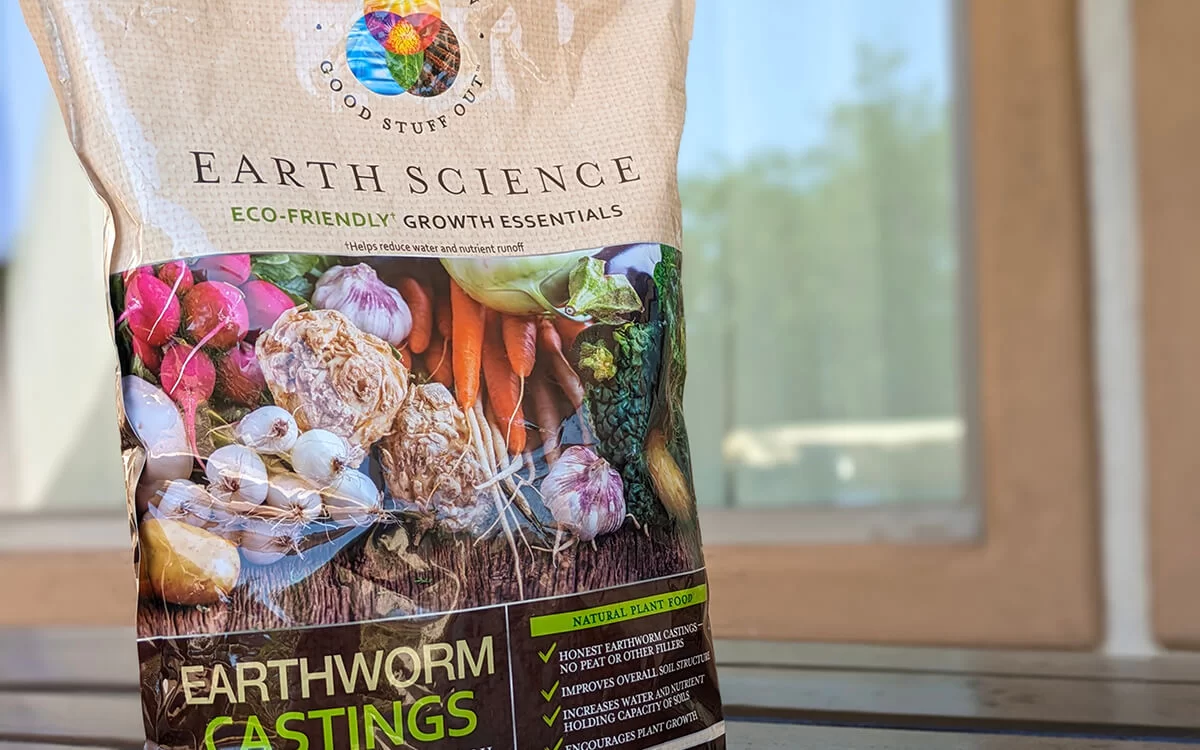
I decided to experiment on the last remaining Agave Americana I own—I propagated the agave from a pup from one of the large agaves I lost in 2002. I purchased a bag of Earth Science worm castings from Amazon and a bottle of imidacloprid, a systemic pesticide. (Fig 5) Imidacloprid is recommended to deter/prevent the growth of (agave) grubs.
Systemic pesticide is a type of pesticide that is absorbed and distributed throughout a plant after application, making the entire plant—including its leaves, stems, roots, and flowers—poisonous to pests. Because the pesticide is absorbed, it can't be washed away by rain.
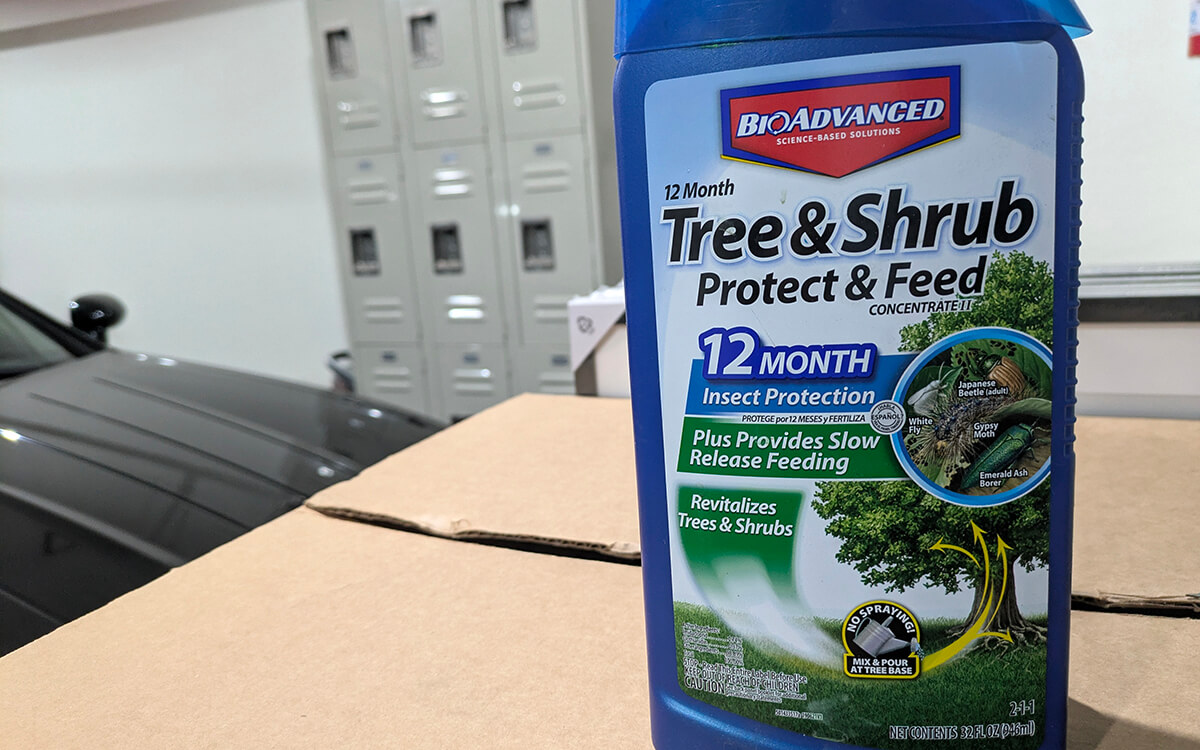
I applied the recommended amount of imidacloprid (one measuring cup, using the lid, mixed with one gallon of water) to the agave and poured it directly into the soil. Next, I spread a liberal amount of worm castings around the entire circumference of the plant. I repeated this application a few times throughout the summer and early fall.
If you run irrigation lines to your agave(s), it's a good idea to drip feed instead of spraying to avoid washing away the worm castings. I let the water gently trickle from a hose as needed, versus using irrigation.
The agave made it through the spring, late summer, and early fall (2024), which are the times when the agave weevil is most active in this area of the Sonoran Desert. (Fig 6)
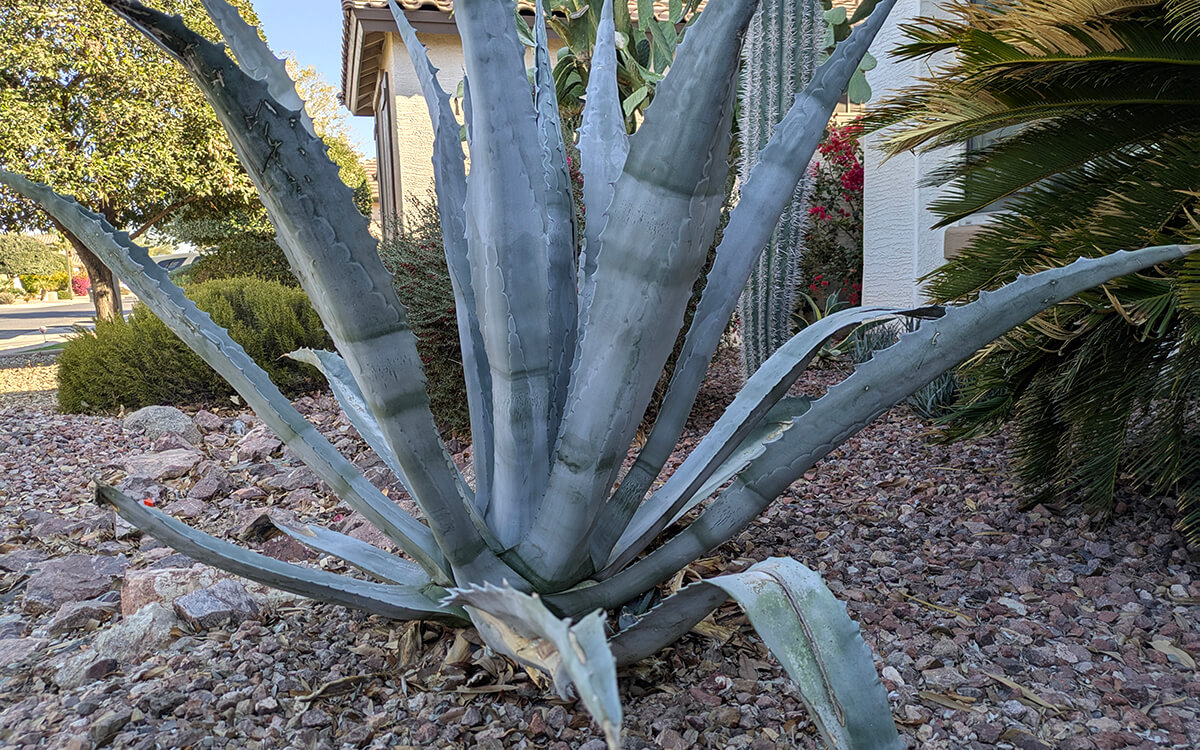
It's too early to know if the combination of worm castings and imidacloprid is effective. It could be that no weevils stumbled upon my agave. However, I'm doubtful this is true because the area is close to where I lost four agaves to the weevil. If the agave remains weevil-free, I'll try planting a few additional agaves.
Application Methods for Worm Castings
There are several methods for applying worm castings to the soil. The method you use will depend on the type of soil you have. For example, the soil in the Phoenix area is extremely hard and challenging to dig; thus, I use the castings as a "top dressing."
As a Soil Amendment
- Mix worm castings directly into the soil
- Application: Mix 1 to 2 inches of castings into the top 6 inches of soil
As a Top Dressing
- Application: Add ½ to 1 inch of castings around the base of the plant
- Watering: After applying, water the area to help nutrients seep into the soil
Compost Tea (a nutrient-rich liquid fertilizer)
- Mix 1 cup of worm castings with 1 gallon of water
- Let the mixture steep for 24–48 hours, stirring occasionally
- Strain the mixture (optional) and use it to water plants or as a foliar spray
Additional Resources
Arizona Worm Farm, located in Phoenix, sells organic worm castings, with prices starting at $10 for a 1/2-gallon bag, as well as worm compost tea at $9 per gallon.

Ask Me! 
Need some expert guidance? Shoot me a message, and I'll provide actionable, free advice to solve your problem.
Message Me