
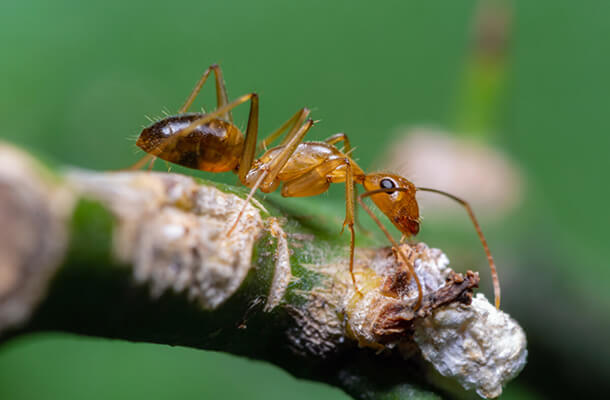
Few insects are more annoying than an army of ants invading your home. The easiest way to rid your house of ants is to understand why they enter your home.
Once you understand why the ants are in your house, you will be better prepared to eliminate them without using expensive exterminators or poisonous sprays.
The type of ants you have in your home will vary depending on where you live in the U.S., but understanding what attracts them can help you rid your house of ants.
Another factor for effective ant removal is identifying the ant species present. While treatment methods are generally similar for most species, even basic knowledge about a specific ant can help you proactively prevent their entry into your home.
Ants are opportunistic creatures. They will exploit the situation if you create a favorable environment or offer an appealing food source.
Why are Ants in My House?
Scout ants (workers) are at the bottom of an ant colony's hierarchical structure and are responsible for searching for food (or water). Once a food source has been located, the scouts return to the nest, leaving behind a pheromone trail. It is this trail that worker ants from the nest follow back to the food source (your kitchen).
A pheromone trail is the equivalent of Google Maps for ants. Ants secrete tiny droplets of pheromones, which mark a precise set of directions for other ants to follow to a food source and a return path to the nest.
Ants have extremely sensitive olfactory receptors located in their antennae. These receptors are responsible for locating food odors. Ants are particularly fond of sugary foods, but any remnant of food left on a counter or floor will catch the attention of a scout ant.
Although searching for food is the most common reason ants enter your home, they can also find their way indoors due to various environmental factors such as heavy rain, water shortage, and extreme hot or cold weather conditions.
In addition to food, ants need water to survive. In areas such as Phoenix, Arizona, it's not uncommon for periods of little to no rainfall for up to 6 months. Ants will seek out water in areas such as bathrooms and kitchen sinks.
The worst ant invasions in Phoenix occur before summer temperatures consistently reach 100+ degrees Fahrenheit, typically in May or June.
On the contrary, as soon as fall arrives, the ants reappear. This may be more of an evolutionary response to shorter days than anything else, given that Phoenix seldom encounters cold temperatures.
Utilization of Bait Stations to Rid Your House of Ants
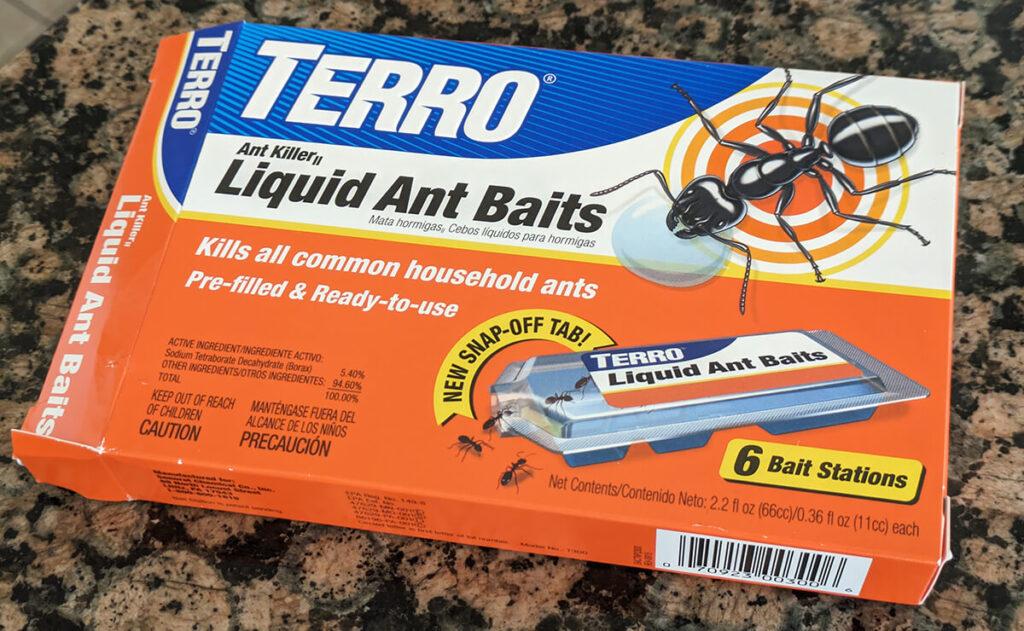
Several types of ant traps are on the market. My particular favorite is the Terro Liquid Ant Baits. (Fig 1) The active agent within these baits is Borax, the precursor to boric acid, a widely employed pesticide.
Boric acid is a compound originating from borax, a natural, colorless solid substance commonly discovered in arid lakebeds. Borax is particularly prevalent in Southern California.
Ants ingest the bait and return it to the nest to distribute among the colony. The time between when the ants consume the bait and when they perish (24 hours) provides ample time for the bait to be shared with other ants in the colony.
When the ants have disappeared from your home, toss the bait into a trash can.
Terro is a safe alternative to insecticide spray, primarily because the bait station encapsulates boric acid. Bait stations can also be used in outdoor settings.
I have used Terro ant bait for years. It works quickly and is very effective. Remember that because the bait has a syrupy consistency, it will leave an adhesive residue if inadvertently spilled, necessitating immediate removal to prevent a challenging cleanup.
Insecticide Spray as an Option to Rid Your House of Ants
I resort to using insecticide spray only when it's vital. Products such as Raid contain piperonyl butoxide and D-phenothrin. Piperonyl butoxide is listed as a possible human carcinogen, and D-phenothrin is toxic to pets if they lick the spray residue from, for example, the floor or paws. This can result in tremors or seizures in dogs and cats.
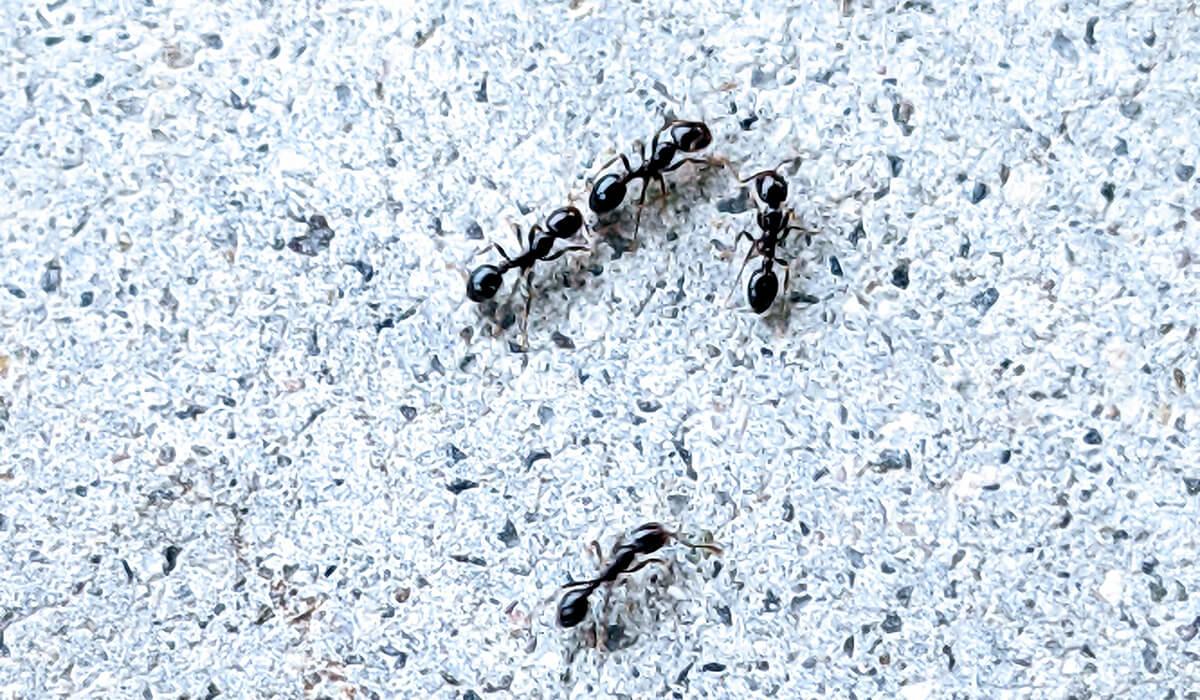
As recently as a few days ago, I had pavement ants (Tetramorium immigrants) (Fig 2) in my kitchen. I dropped a raisin on the floor, enough to invite several hundred ants into my home.
I use products such as Raid to spray the entry points outside my home. In the most recent incident, ants entered through a small hole at the base of a French door.
I also sprayed the baseboard below a set of kitchen cabinets because the ants were too numerous to kill individually. Afterward, I cleaned the baseboards and floor to remove any chemical residue that could make my dog sick.
Insecticide spray kills ants that come into direct contact with the spray. It won't kill ants that enter your home after the fact—at least, that's my experience. Raid says in their product highlights, "Keeps killing with residual action for up to four weeks," but this only applies to carpenter ants and roaches.
You should use bait stations to wipe out the entire colony. If you use an insecticide, don't spray the area where you intend to place a bait station.
The day after I recorded the above video of pavement ants feeding on bait, yellow crazy ants (Anoplolepis gracilipes) visited the same bait traps. (Fig 3)
The crazy ant, an invasive species thought to be native to West Africa, is named because of its rapid, haphazard movements. I started noticing them only within the last couple of months.

I estimate the number of ants feeding from the bait stations to be several hundred thousand. I followed the pheromone trail for over 40 feet before it went up and over a block privacy wall and into an open field.
Alternatives to Bait Stations or Insecticides to Rid Your House of Ants
Another effective method I discovered to eliminate many ants quickly is using a heat gun. A heat gun, such as the Wagner Heat Gun, can produce temperatures up to 1,000 degrees Fahrenheit. A heat gun is more or less a blow dryer on steroids.
A few blasts of heat make quick work of a large number of ants scurrying across the kitchen floor.
Catchmaster glueboards are a safe method for determining the presence of ants (or other insects) in your home. Place a few glue boards in problem areas, then sit back and wait. (Fig 4)
Position glue boards along the perimeter of walls (baseboard). Ants, like rodents, follow the wall perimeter for safety—leaving only one side (the side away from the wall) unprotected.
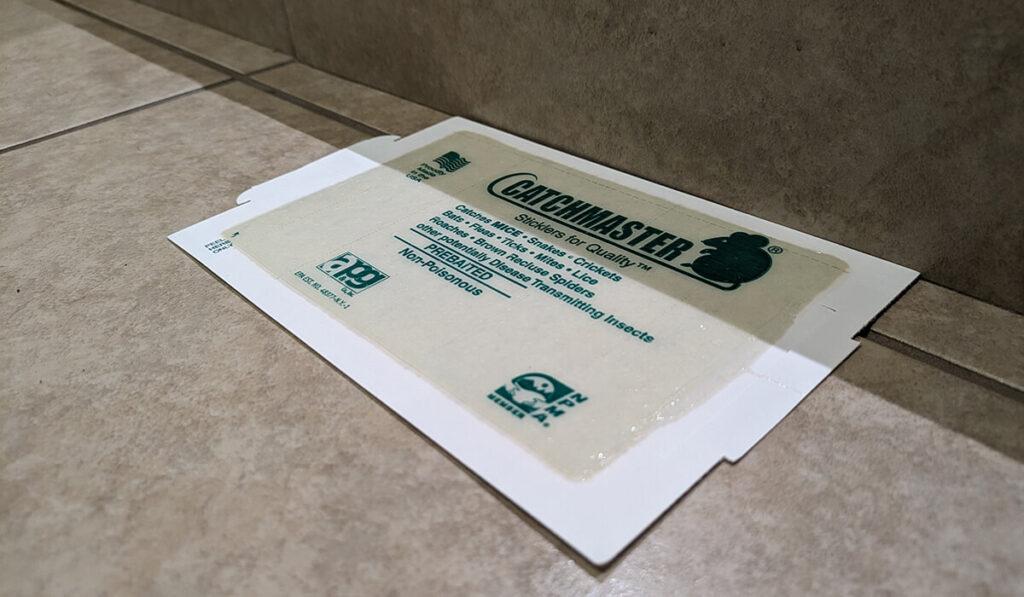
Once an ant gets stuck on a glue board, there is little chance it can escape. Other ants passing by the glue board will see the trapped ant and sometimes attempt to help, but they will also get stuck. Glue boards are like the La Brea Tar Pits for insects.
A glue board can be placed flat on the floor or folded to make a tent-like structure. Glue boards won't catch hundreds of ants, but will catch those who happen to straggle onto the sticky surface.
Think of a glue board as an environmental survey tool. If you catch a few ants, this will provide insight into potential problem areas that need closer examination.
Eliminate the Source of Ants Outside Your Home
Playing offense is one of the best ways to get rid of ants in your house. Most ants don't travel far from their nest for food or water, so you will likely find a nest if you explore the area outside your home.
Once you locate a nest, boil a pot of water and dump it on the nest. Repeat this several times to ensure the water penetrates the portion of the nest buried beneath the ground.
Pouring boiling water onto a colony of ants may sound barbaric, but the alternative is letting them invade your house.
The area of the country in which you live (and the season) will determine when ants are most active. During the hottest time of the year, I've found that most ants are nocturnal in Phoenix, Arizona. Average temperatures between April and October can easily top 100 degrees Fahrenheit, which may explain why ants stay deep inside their nest during the day.
Ants can be diurnal (active during the day), crepuscular (active during dawn and dusk), or nocturnal (active during the night). Some species can switch from diurnal to nocturnal behavior, particularly in regions with scorching daytime temperatures. Others, like the carpenter ants, emerge from the nest just after sunset.
Most of the infestations I've had at my home happen in the late evening hours and overnight. This presents an excellent opportunity to trace the ants back to their colony. Following the ants from the entry point into my home and across the patio usually leads to a nest and presents an opportunity to eradicate the nest.
Ants You Are Most Likely to Encounter in Your Home
The ant species listed below are most common throughout most of the U.S.
Regardless of which type of ant you have in your home, except possibly the thief ant, eradication methods are similar for most ant species.
Black ant (Lasius niger), commonly known as garden ants, typically build nests close to human habitats because of their fondness for crumbs and water left by humans. (Fig 5) Black ants are fond of sugary foods, grains, and vegetables. They will also eat pet food crumbs.
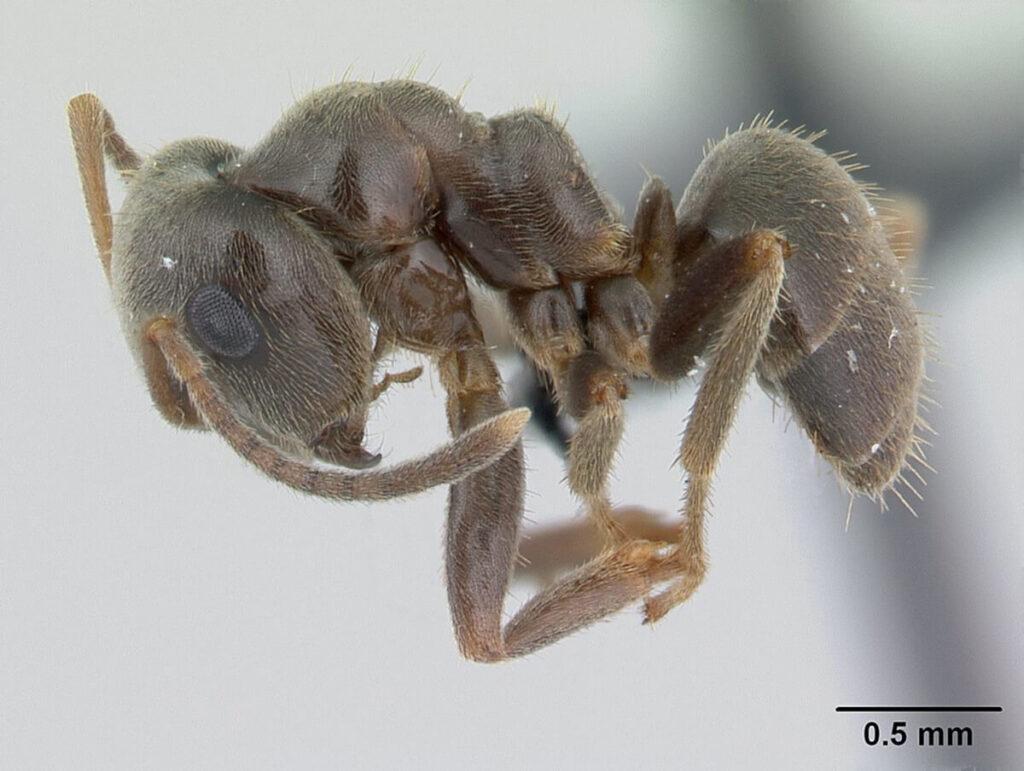
Black ants build subterranean colonies outside your home; however, in extreme cases, they may decide to establish a colony inside the walls of your home.
Black ants are found throughout the northern and eastern sections of the USA and southeastern Canada.
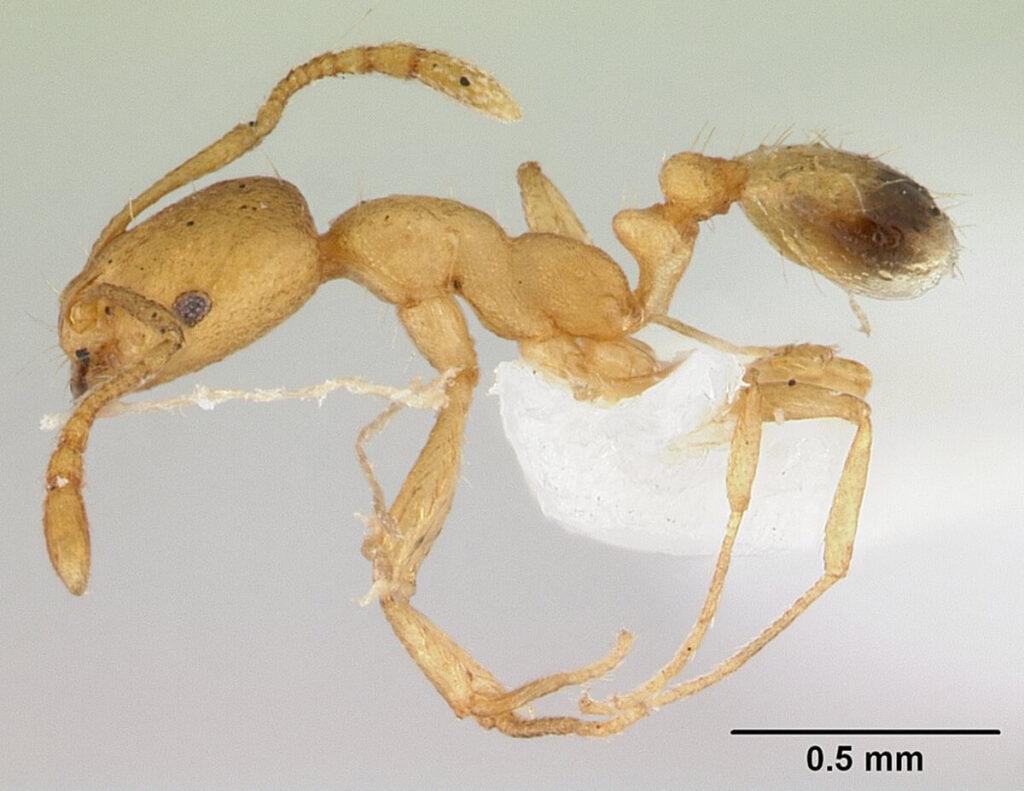
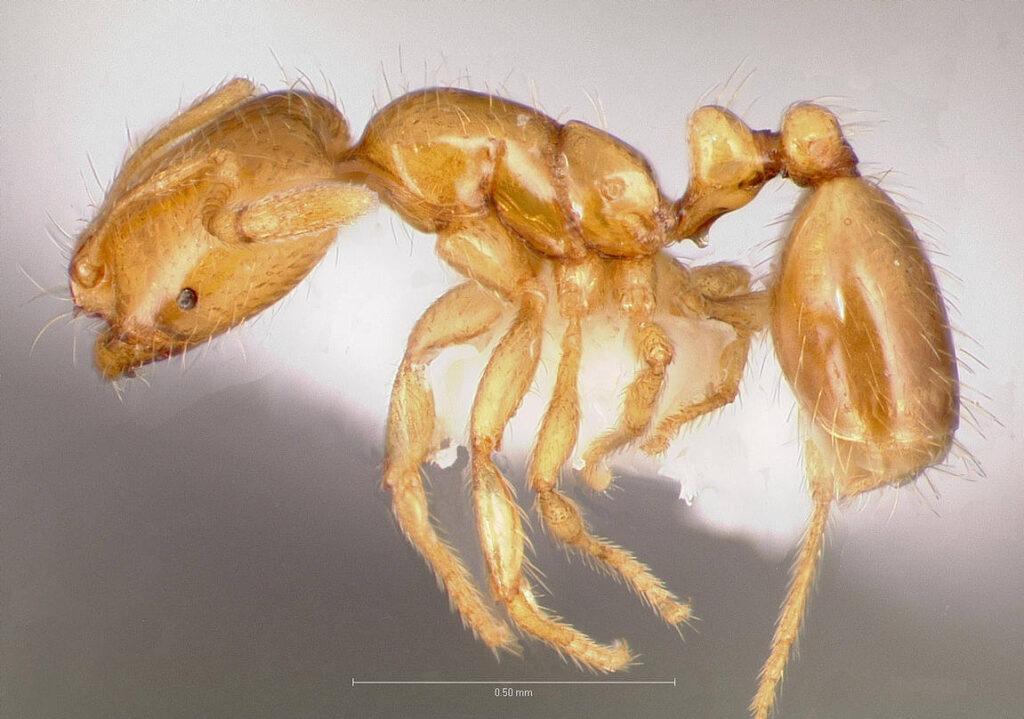
Pharaoh ant (Monomorium pharaonis) is a tropical ant species notorious for being difficult to control. Inside your home, Pharaoh ants will seek sugary foods and foods high in fat and protein. (Fig 6)
Found throughout the U.S., including Alaska, the Pharaoh ant is a particular problem in hospitals, apartments, and hotels. They are known carriers of Salmonella, Staphylococcus, and Streptococcus.
Provided the opportunity, Pharaoh ants will nest inside walls or any dark area of your home. Insecticide sprays are not an effective method of control. Instead, bait such as Advion Ant gel can eliminate the ants.
Acrobat ants (Crematogaster) raise their abdomens when threatened and spray venom. (Fig 7)
Found throughout the U.S., these ants prefer the outdoors; however, they will enter a home to search for food. Because the acrobat ant prefers moisture and decaying wood, they can typically be found near the edges of window frames, doors, soffits, or areas previously damaged by termites.

Once inside your home, they are attracted to foods high in sugar and protein. Ant bait traps are effective at eliminating acrobat ants. Place the traps along the pheromone trail inside your home, and place secondary traps outside in an area close to the entry point ants are using.
If you have old, decaying wood close to your house, including firewood, dispose of it or, in the case of firewood, move it to a location further from the exterior walls of your home. Check the area for signs of ants and use bait traps if ant activity is discovered.
Odorous house ants (Tapinoma sessile), also known as a pussy ant, commonly invade homes during the latter portion of winter and early spring. (Fig. 8) They are a problem after heavy rain, especially in areas with severe runoff.
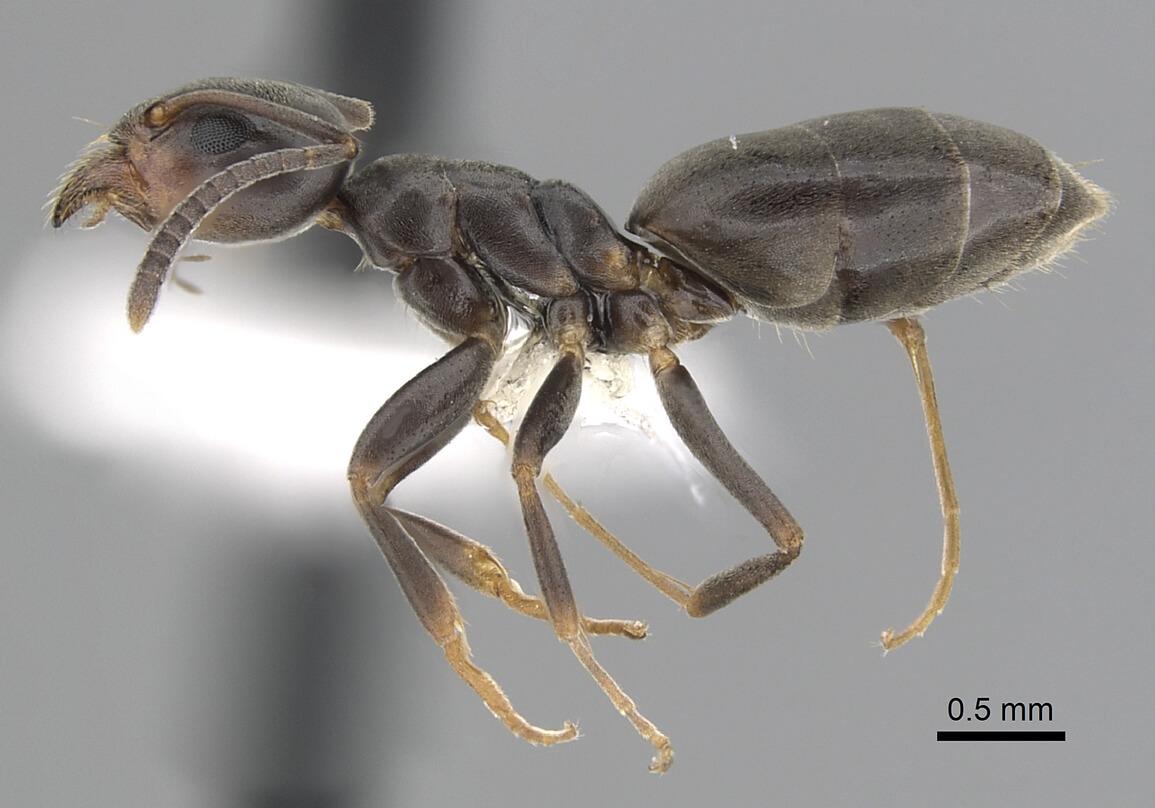
One of the most common ants in North America, the Odorous house ant, will eat most available human foods, including sweets, butter, beef, potatoes, and cheese. Gathered foods are stored in their crop until they return to their nest. Upon return, they share the food with members of the colony.
Odorous house ants find bait stations an attractive food source. Upon their return to the nest, they share the bait with other ants in the colony. Killing the worker ants present in your home does little to control the colony because as little as 1% of the total population is needed to provide food to the entire colony.
Carpenter ants (Camponotus) are common throughout the U.S.. (Fig 9) The first sign that they are present in a home is small piles of sawdust shavings. The shavings indicate that they are chewing holes in wood to create a gallery for nesting.
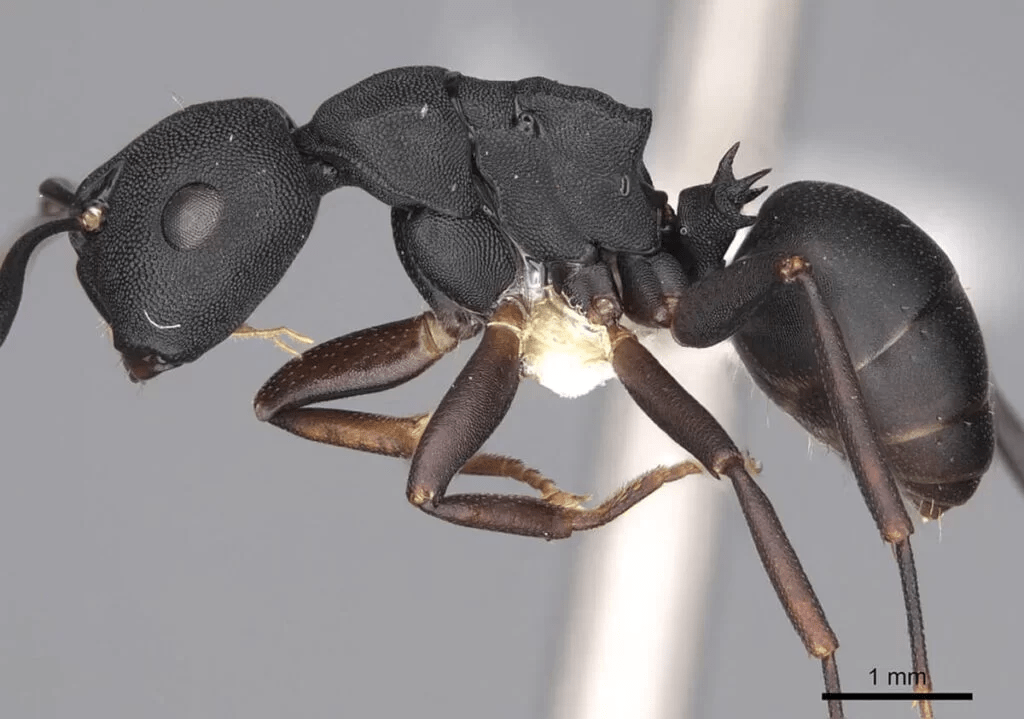
Because most homes don't have exposed wooden beams, it can be challenging to locate the ants. If your home is quiet, you may hear their activity inside the walls. Small piles of sawdust on the floor are easy to spot if you have exposed beams. (Fig 10)
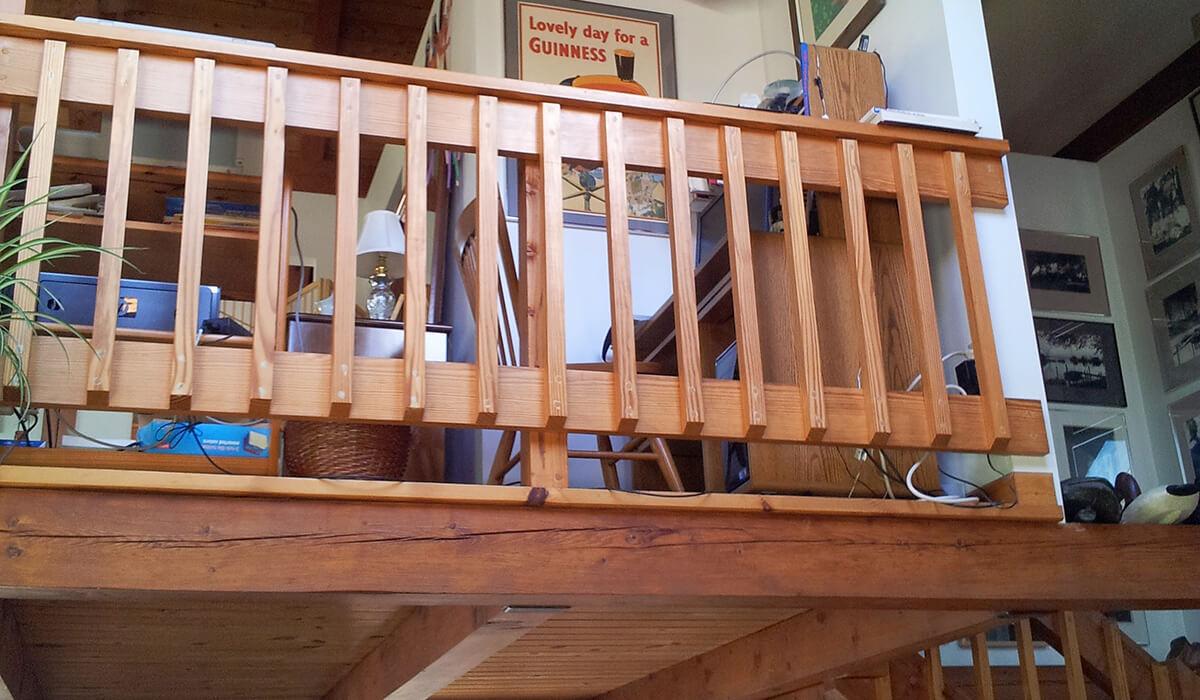
Orkin quoted my parents over $3,000 to rid their house of carpenter ants. The ants were chewing holes in the wooden ceiling beams. My mother discovered their presence after noticing small piles of sawdust on the ceramic tile floor.
Carpenter ants, unlike termites, do not eat wood. Instead, the carpenter ant removes wood to create a nest. Inside your home, they will eat sweets and high-protein foods.
Bait traps containing boric acid are an effective solution for reducing the carpenter ant colony.
Pavement ants (Tetramorium immigrants), common throughout the U.S., get their name because they build nests underneath pavement by accessing voids caused by cracks in cement sidewalks or streets. (Fig 11)
The pavement ant consumes most human foods, especially sweet or greasy foods. It also eats pet food and garbage.
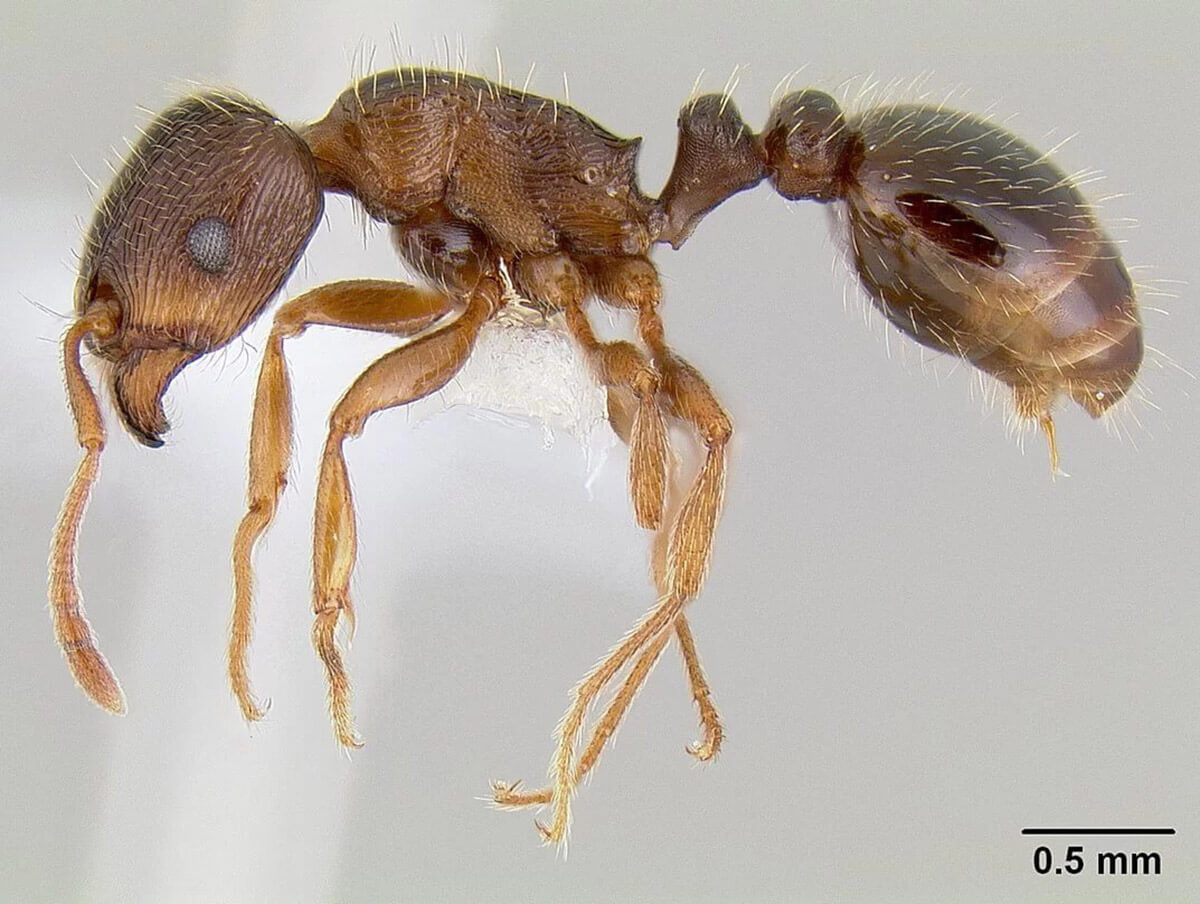
Colonies outside a home are sometimes easy to spot by looking for the telltale sign of sand piles shaped like small hills. The sand piles are the debris that the ant has excavated from its nest.
Not a particularly difficult ant to control, bait traps are the best method to eliminate colonies close to your home. The pavement ant is most often active at night.
The Thief ant (Solenopsis molesta) steals food from other ants nearby. (Fig 12) Particularly fond of grease, the thief ant will travel a great distance searching for food.
The thief ant is less than 1/32 inch long (1.5 to 2.2 mm) and one of the smallest species of ant known to infest homes. They also possess small stingers on their abdomen, which are mostly ineffective against humans.
Because of their small size, an entire colony can be established within a house without the homeowner realizing they have an infestation. They can access food products stored in boxes because they can access even the smallest voids in packaging.
Common throughout most of the U.S., thief ants are difficult to control once they are inside your home because they are resistant to many insecticides and not easily attracted to bait traps.
Argentine ants (Linepithema humile) are native to northern Argentina in an area known as the Triple Frontier (the borders of Argentina, Brazil, and Paraguay). (Fig 13) However, the Argentine ant can be found throughout the U.S.
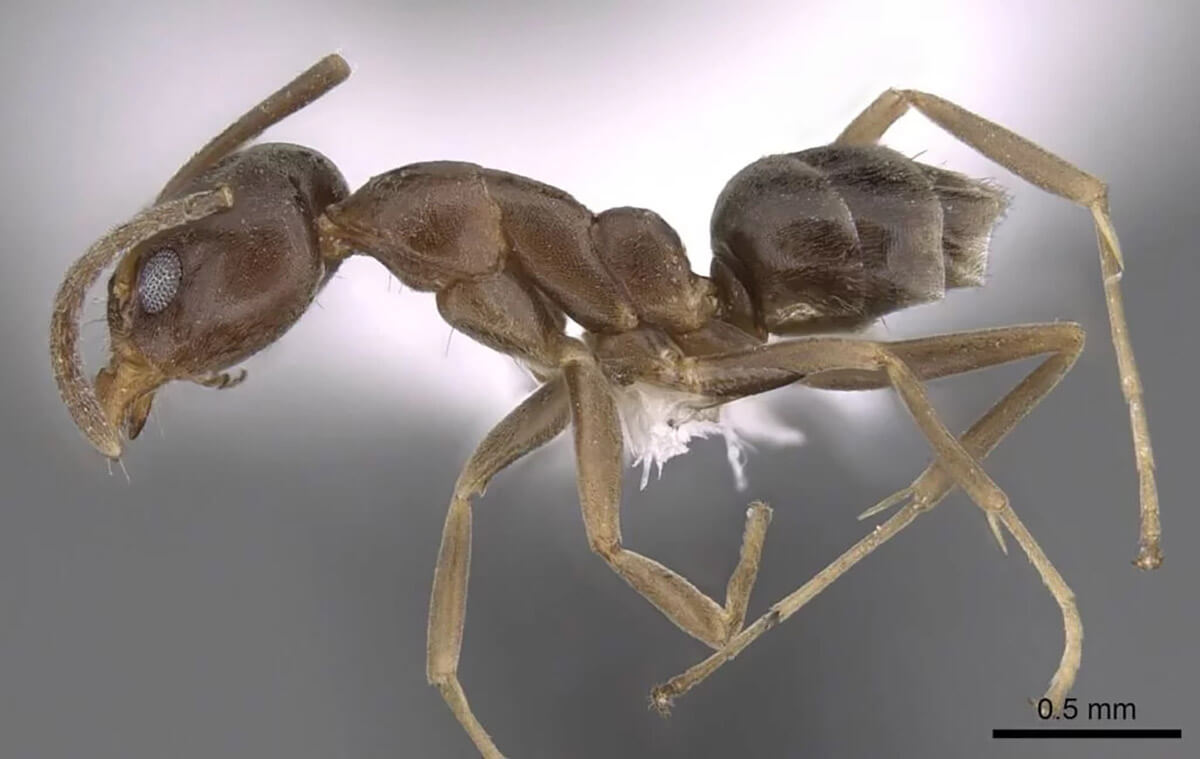
Argentine ants are a common pest, often entering a home during hot, dry summers in search of water, sweets, and protein-rich foods. Nests are commonly found very close to structures in leaf litter and mulch.
The Argentine ants in the video below react to me disturbing their nest while cleaning oleander detritus caused by an extreme heatwave in Arizona.
Bait traps and granular products such as diatomaceous earth, which consists of fossilized microalgae, are effective solutions. Diatomaceous earth is commonly used to kill scorpions.
When to Call an Exterminator to Rid Your House of Ants
Exterminators are expensive! I find most to be creepy, too! But let's face it: if you have a severe infestation and can't rid your house of ants on your own, you probably need the help of a professional exterminator.
Preparing a list of questions before hiring an exterminator is essential. Next, get estimates from two or three different companies for comparison purposes.
Many exterminators will try to get you to commit to a service contract after the initial extermination. Because ant infestations can recur, ask about a guarantee.
If the exterminator solves the problem with ants in your home, but the ants return in two weeks, you don't want to have to pay a second time. Some companies dance around guarantees and instead try to convince you to sign a service contract.
Before signing any contract, ask for a detailed list of treatments they will perform at each visit. If you are not provided with a list, choose a different company. Finally, read the contract before signing. Service contracts are complex to cancel and can be expensive to get out of.
My experience with service contracts is that if an infestation is discovered, you will incur an extra cost to treat the problem area.
I contracted with an exterminator to check my home for termites every month. Months after the initial extermination was completed, termites were once again discovered. I then had to pay to have the house treated a second time.
If you sign a contract with an exterminator, it's a good idea to be home when they come for scheduled treatment. On the day of the treatment, follow the exterminator around your home to see what they are doing, and don't be afraid to ask questions.

Ask Me! 
Need some expert guidance? Shoot me a message, and I'll provide actionable, free advice to solve your problem.
Message Me