

If you live in Arizona, you will likely encounter a scorpion. Before moving to Arizona, I'd never seen a scorpion, and I never imagined I would discover scorpions hiding out in my home!
Since moving to Arizona 7 years ago, I've found almost a dozen scorpions in various rooms in my home, including on my living room sofa.
The Arizona bark scorpion (Centruroides sculpturatus) is common in Phoenix. They are the only species of scorpions in Arizona known to climb walls. If you see a scorpion on the block wall surrounding your backyard, chances are it's a bark scorpion.
I prefer not to kill any living thing, even scorpions; however, because scorpions can potentially kill a dog (and people), I decided I would try my best to eliminate as many as possible.

While deaths from scorpion stings are rare, it's something to be mindful of, especially if you are allergic to the venom. How do you know if you are allergic? You don't until you get stung! Stings from scorpions tend to be like bee stings. Most people experience a few days of discomfort and localized swelling.
After talking to a few neighbors, I devised a strategy to rid my yard of scorpions. Most people I spoke to spray their yards with Diatomaceous earth, a product from the sediment of fossilized algae. Diatomaceous earth cuts the exoskeleton of scorpions, causing them to dehydrate and die.
According to the U.S. Department of Labor (2012), "The crystalline silica contained in calcined diatomaceous earth (primarily cristobalite), however, has been classified as Group 1, carcinogenic to humans." If you intend to use diatomaceous earth, it's probably a good idea to wear a mask to prevent airbourne particles from entering your lungs.
The problem with Diatomaceous earth is that it can also kill other insects, such as crickets, spiders, and ants, which are eaten by the various lizards that typically inhabit a yard.
My Solution to Riding My Yard (and House) of Arizona Bark Scorpions
My first attempt to rid my property of scorpions involved using glue boards. I set a few glue boards in areas of my garage that I thought scorpions might travel - next to door entrances.
I discovered a few scorpions stuck to the glue boards the following day. Although very effective, glue boards are indiscriminate and trap anything that steps on them, including lizards. Indeed, on a trap closest to the garage door, a small lizard was stuck to a board. After considerable effort, I freed the lizard, minus most of its tail. Afterward, I decided there might be better solutions than glue boards because of the bycatch.
I decided to try to rid my yard of as many scorpions as possible by hunting them down after sunset. I used a black light (flashlight) to illuminate scorpions. When hit with the light, a scorpion glows fluorescent green. A quick kick from the bottom of a shoe and the scorpion is finished.
Scorpions perched on a wall are easy to spot. Soon after being hit with the black light, they will attempt to scurry between the cracks in the block wall. Scorpions are very fast! You have to act quickly, or they will disappear out of sight.

They tend to hang out on the walls closest to irrigation sprayer heads. Perhaps they seek the moisture left on the ground as a water source, or they could be near water because water attracts other insects.
Over two years, I found (and killed) 70+ scorpions, both in my house and on the walls surrounding my yard. By the third summer, I had found few scorpions on most nights.
Instead of checking my yard nightly, I transitioned to checking it a few times per month. Seven years later, finding a scorpion is exceedingly rare.
Examine the Exterior of Your Home
Take a close look at the exterior of your home, especially around windows, doors, and vents. A scorpion only needs a crack of 1/16 inch to enter a home. Ants and other pests use the same gaps to ingress a home.
I suspect the scorpions I discovered in my home entered via the gaps in the molding surrounding the entry doors, including the garage door.
Ensure the molding around doors is properly installed and free from any obvious gaps. Check the caulking around windows and pipes (air conditioning, gas, cable, electrical, etc.) leading into your home. Caulking generally only lasts a few years before it becomes brittle and begins to split.
If you find significant gaps in the exterior of your home, fill them using spray foam insulation. Foam insulation will outlast caulking and provide an impenetrable barrier.
Move anything you may have stored outside away from the exterior walls of your home, including wood, rocks, and any other material that may provide a suitable hiding place.
If you leave items on your patio or in the garage, please look them over before bringing them into your home. Scorpions will hide virtually anywhere, including the tennis shoes you left on your patio.
Consider Hiring an Exterminator
If you're terrified of encountering a scorpion and don't want to try and rid your home of them yourselves, hire a pest control company.
Many newer homes in Phoenix have whole-home pest control systems built into the walls. The outside of a house contains small ports that an exterminator can use to pump insecticide around the perimeter of a home.
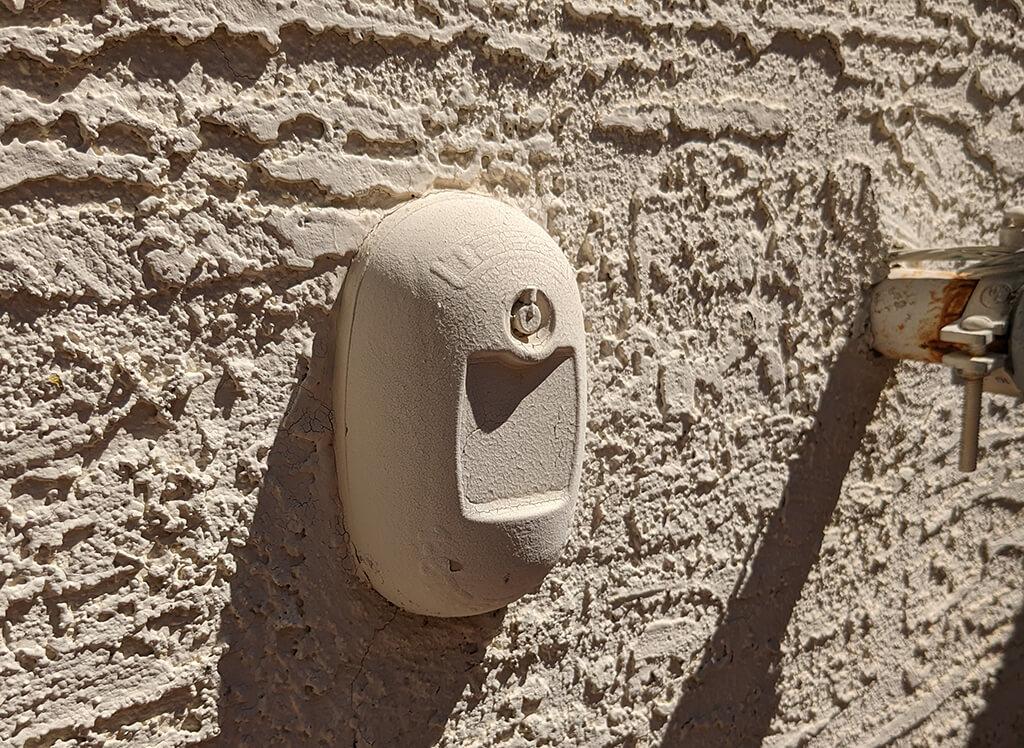
Small plastic tubes transport the insecticide inside the walls. If you are a DIY person, remember that drilling or cutting into interior walls can sever the tubes. While installing some new electrical lines, I accidentally cut one of the lines while cutting a hole in the drywall.
Some exterminators in the Phoenix area mention using a chemical sprayed around the home's foundation. Once dry, the chemical product makes the surfaces slippery, thus preventing the scorpion from climbing. I am curious to know if this works. This sounds like a plausible solution, but it would require regular reapplication.
A pest control company in Phoenix suggests installing a small piece of glass encased in an aluminum frame around the entire perimeter of your home. This solution sounds costly, but some homeowners might find the cost acceptable, depending on how much they fear scorpions.
Slick Barrier, A New Product to Prevent Scorpions from Climbing Walls
As I finished this article, I saw a story on a local news station about a new product called Slick Barrier.
Slick Barrier is a clear coating you apply to your home's foundation. It prevents scorpions from climbing the walls. According to the makers of Slick Barrier, the product is pesticide-free and can be applied to brick, concrete, and stucco.
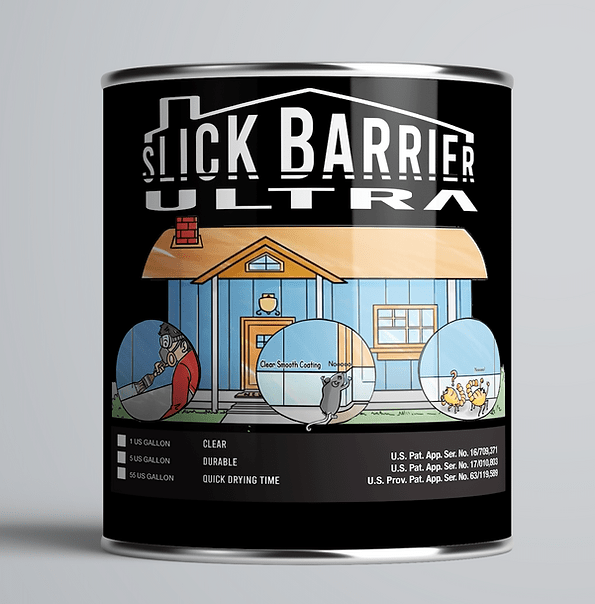
Slick Barrier also prevents insects and rodents from climbing walls.
At $99 per starter kit, it's pricey, especially considering it needs to be reapplied every 1-2 years. The kit includes 2 quarts (1 qt. water-based coating and 1 qt. solvent-based coating), a paintbrush, a paint pail, and 1 set of gloves.
The basic starter kit covers 200 linear feet 2-3 inches high, but this is not enough coverage for most homeowners. Slick Barrier also has a large home kit, which costs $199. However, I couldn't find any information on the Slick Barrier site detailing how many feet the large home kit covers.
The founders of the Arizona-based Slick Barrier will appear on Shark Tank on January 27, 2023, to pitch their product to the sharks.
If you have used Slick Barrier, send me a message and give me your honest opinion.

Ask Me! 
Need some expert guidance? Shoot me a message, and I'll provide actionable, free advice to solve your problem.
Message Me