
Knowing what not to take to México can save you grief, money, and potentially a few nights in a Mexican jail. Imagine this. You cross into México. The truck comes to a stop, and suddenly, a Mexican immigration official orders everyone out of the truck.
Five of us climb out of a Ford F-250 and stand off to the side while the officer leans into the cab. He twists himself around, peering under the passenger seat like he’s looking for loose change. Suddenly, he emerges with a marijuana vape pen and triumphantly holds it above his head! Now what?
This exact scene played out for a group of friends and me after we crossed into Sonoyta, MX, at the Lukeville crossing.
I've been to México many times, but never as a passenger in someone else's vehicle. As far as the Mexican officials were concerned, the vape belonged to all of us. And collectively, we were about to pay for it.
That close call got me thinking about all the other things travelers casually carry across the border without realizing they might be contraband, and how quickly a weekend trip can turn into a few uncomfortable nights in a Mexican jail.
The moment you cross the border into México, you’re operating under Mexican customs law, the Ley Aduanera. And south of the border, intent doesn’t always matter.
When people think about what not to take to México, they usually imagine drugs or firearms. In reality, travelers get into trouble for a surprising range of everyday items.
What Not to Take to México: Items that Get Travelers into Trouble
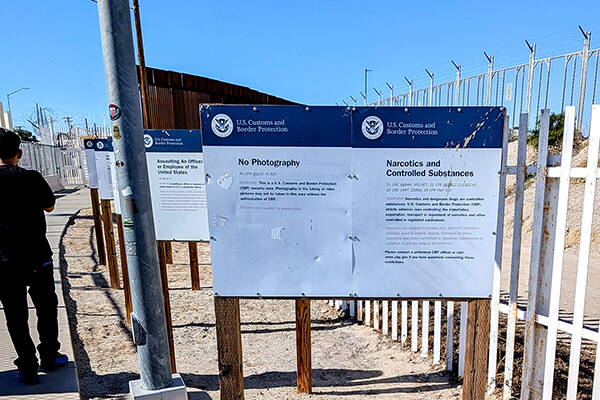
Many people who cross into México by land assume enforcement is more relaxed than at an airport. (Fig 1) Sometimes it is. Other times, especially if you run into a border agent who had an argument with his wife the night before, things can go from casual to very serious in a matter of minutes.
Add to that the political tension around immigration and drug trafficking, especially in recent years, and the last thing you want is to be the American standing next to your vehicle with something illegal under the seat. Trust me. That’s not a conversation you want to have in Sonoyta or any other town south of the border.
Just because you crossed the international border without issue doesn’t mean you’re in the clear. Secondary checkpoints are common deeper inside México. These can be run by the military, the National Guard, or local police.
Unlike the United States, officials in México do not need probable cause to stop a vehicle and perform a search. Sometimes it’s quick. A few questions, a glance inside your vehicle, and you’re on your way. Sometimes it isn’t.
Weapons and Ammunition
At the top of the list of what not to take to México are weapons and anything remotely connected to them. That includes firearms, ammunition, knives, multi-tools with blades, magazines, springs, optics, and weapon parts. Even a single shell casing can land you in jail for weeks.
Because weapons trafficking is directly tied to organized crime and the cartels, Mexican authorities take a zero-tolerance approach. Possession is a felony. Even a single stray bullet rolling around under a seat can lead to a felony charge, seizure of the vehicle, and immediate transfer to federal custody.
Personally, I find the idea of driving around town in the U.S. with a loaded gun sitting on the front seat a little strange. It’s not something I would ever do. But plenty of people routinely carry firearms in their vehicles.
A neighbor of mine bought a used truck during the pandemic. Months later, he discovered several loose bullets under the driver’s seat, left behind by the previous owner. Had those bullets been discovered by Mexican authorities during a border crossing, the situation could have gone south very quickly for everyone in the truck.
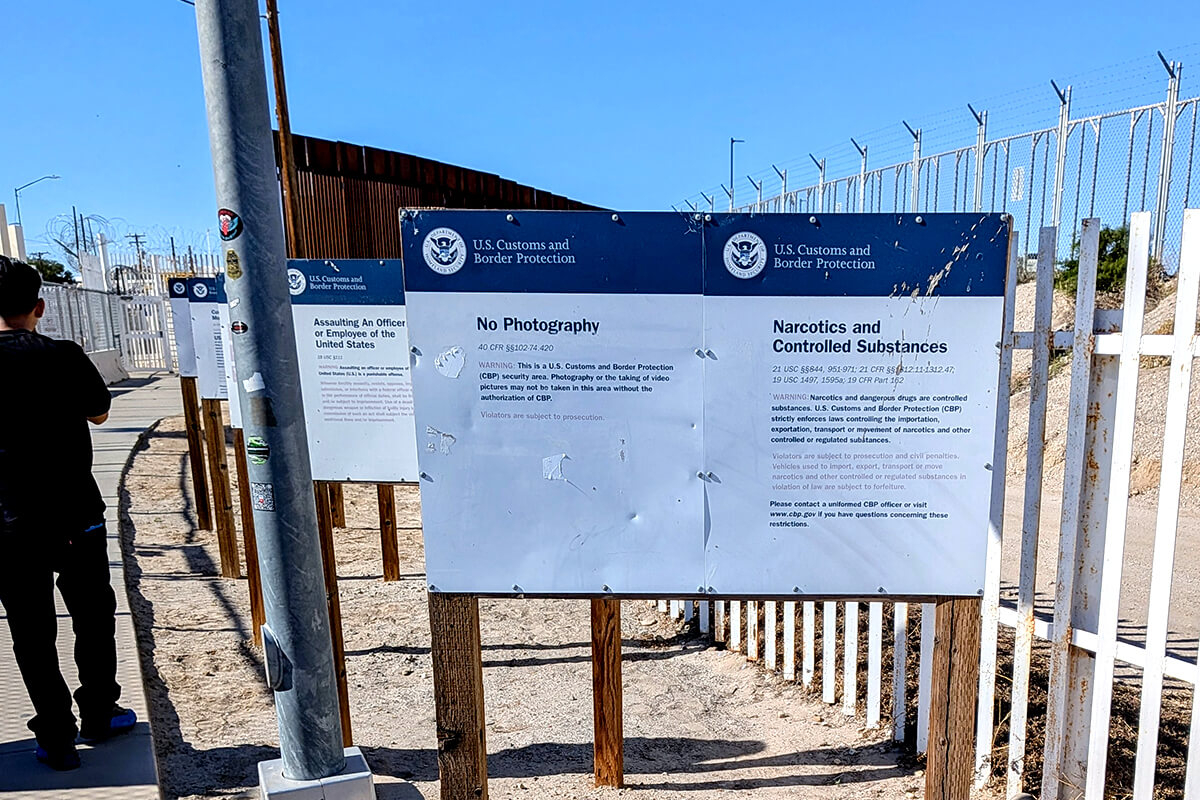
Mexico’s weapons and ammunition laws are significantly stricter than in the U.S. (Fig 2). When Mexican authorities detect weapons or ammunition at ports of entry, travelers are typically detained, processed, and handed over to the Fiscalía General de la República (FGR).
“Anyone unlawfully bringing weapons, ammunition, cartridges, explosives, and materials subject to control into the national territory is punishable with five to thirty years of imprisonment and a fine of 20 to 500 times the daily unit of measure. Firearms not reserved for exclusive military use may be punished with three to ten years in prison.” — Based on Article 84 and related provisions of the Ley Federal de Armas de Fuego y Explosivos (Federal Law of Firearms and Explosives). Gobierno de México
Vapes, E-cigarettes, and Cartridges
If you vape, leave it at home. If you're making a mental list of what not to take to México, vapes and e-cigarettes should be near the top. If you’re caught bringing a vape or e-cigarette into México, it will likely be confiscated, and you may receive a fine. You will definitely receive a terse scolding!
Mexico’s strong stance on vapes is largely driven by public health concerns. The government has banned the importation, sale, and commercial distribution of these products.
Ironically, you will still see them being sold openly by street vendors in many tourist areas. Enforcement can be inconsistent.
But bringing one across the border yourself is still illegal.
Marijuana
Marijuana is another item that frequently appears on lists of what not to take to México, especially for travelers coming from states where cannabis is legal. Many people from border states, including California, Arizona, and New Mexico, assume that because weed is legal in their state, they can take it into México. Don't make this mistake!
It is illegal to bring CBD oil (including THC-free), edibles, gummies, concentrates, tinctures, and flower into México. This includes medical marijuana!
While marijuana has been partially decriminalized in México, it is illegal to import any amount. Bringing even a small amount of weed for personal use across the border for personal use is treated as drug trafficking.
Penalties for crossing the border with weed can range from tens of thousands of pesos to a prison sentence of 5-15 years. There is no leniency for tourists!
Agricultural Food Items
Agricultural items are another category travelers rarely consider when deciding what not to bring into México.
Some fruits and vegetables can be brought into México if they are properly declared. However, restrictions vary depending on origin, pest risk, and current agricultural regulations.
In practice, it’s usually easier to avoid bringing produce across the border altogether. When you arrive in México, purchase these items from a local market.
Plants with soil, seeds intended for planting, homegrown produce with dirt or insects, and large quantities of agricultural items are almost always confiscated.
Fresh, raw, or cooked pork and poultry are prohibited. This includes sausages, chorizos, and home-cooked leftovers.
Other meat products, such as commercially packaged beef, are sometimes allowed. Some less stringent inspectors may let these items into México, but as with fruit and vegetables, purchase these items in México.
Failure to declare agricultural items can lead to confiscation and fines.
Lying or Failure to Declare Items When Asked
Many items that are technically legal in México can still land you in trouble if you fail to declare them when asked. The current political climate between the United States and México hasn’t exactly helped matters. Some everyday items are drawing more scrutiny than they might have a few years ago.
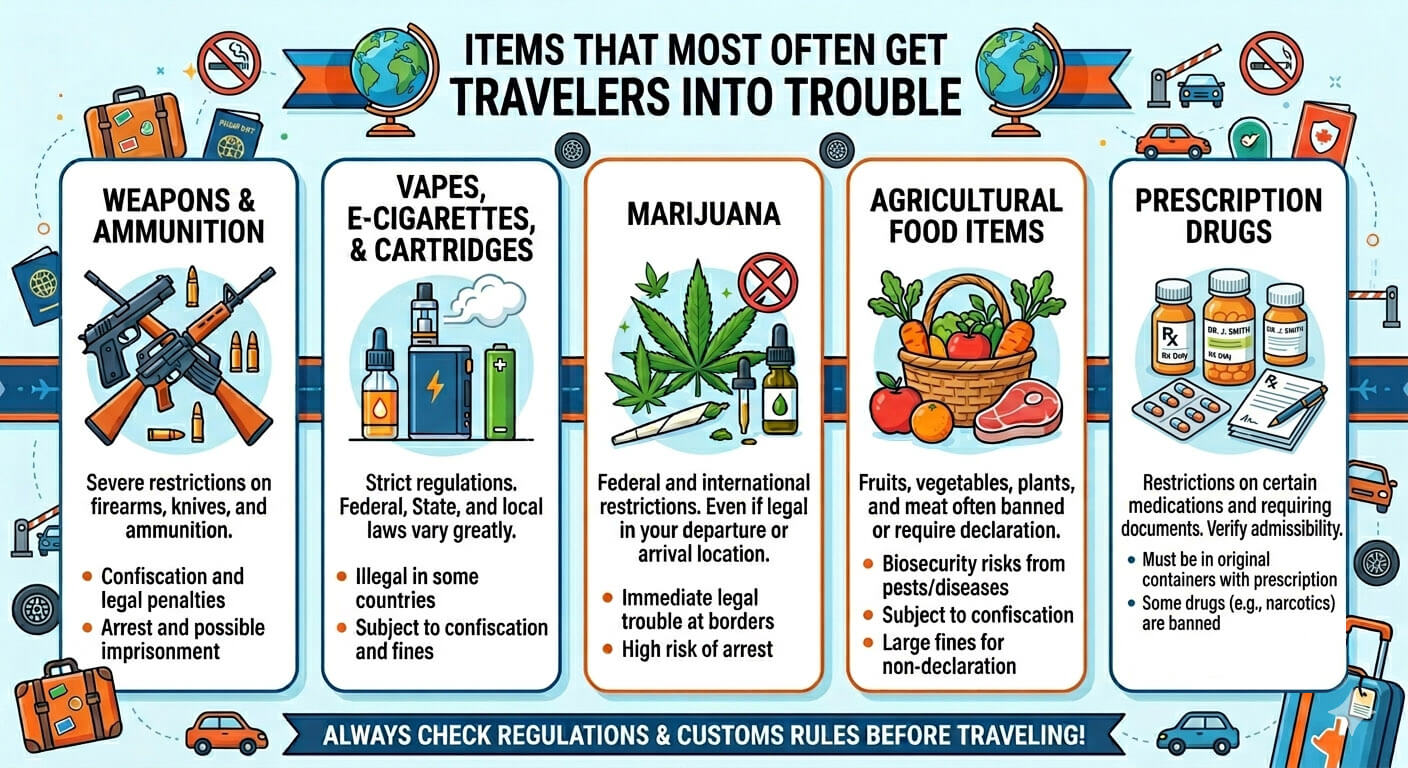
When questioned at the border about what you are bringing into the country, tell the truth! (Fig 3) In many cases, if you are honest, Mexican authorities will look the other way and allow you to enter the country.
Typically, inspectors are looking for a large amount of alcohol and cigarettes, beyond an amount considered for personal consumption. Smaller amounts may still be subject to import taxes. Whether those taxes are assessed often depends on the inspector and, frankly, your attitude during the inspection.
If the fee they quote seems excessive, you can sometimes negotiate it down. But this is not the moment for sarcasm, bravado, or raised voices. Stay calm!
For travelers crossing the border by car or on foot, you typically won’t be handed a paper customs form, the Declaración de Aduana de Pasajeros used in airports. Instead, the officer will simply ask a few direct questions.
If you have more than $10,000 in cash (U.S. Dollars) in your possession, you must declare it.
Do you have fruit? Vegetables? Alchohol? Cigarettes? Anything to declare? Answer "yes" for agricultural items, and you'll be redirected to a secondary lane specifically for agricultural inspections (SENASICA).
As with all things México, it depends on what border crossing you enter, the agent you encounter on any particular day, as well as your attitude. More often than not, if you’re honest and respectful, Mexican authorities will wave you through and send you on your way.
Crossing the Border the Right Way
For many of us who live near the border, crossing into México is part of life. It’s a short drive to a different way of life, good food, strong margaritas, late-night street tacos, and the kind of hospitality that keeps people coming back year after year.
But the moment you cross that line on the map, you are no longer in the Estados Unidos. You are a guest!
Mexico is a country with its own laws, its own culture, and its own way of doing things. Most of the time, the rules at the border are simple: be respectful, be honest, and know what not to take to México.

Ask Me! 
Need some expert guidance? Shoot me a message, and I'll provide actionable, free advice to solve your problem.
Message Me