
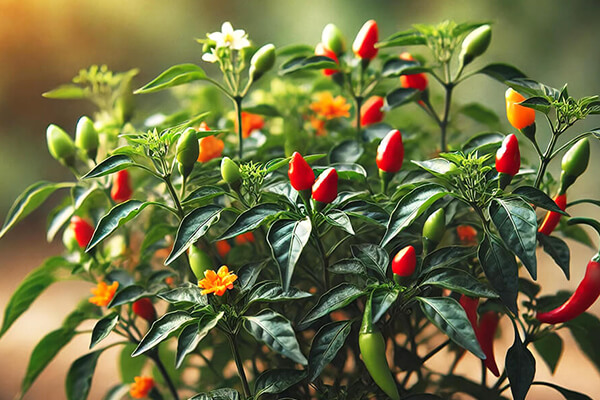
Chili piquín peppers (Capsicum annuum var. glabriusculum) are small, fiery-hot chili peppers native to México and the southwestern United States. (Fig 1) They are tiny, typically about 0.5 to 0.75 inches (1–2 cm) long, and have an elongated, oval shape. Their color ranges from green when unripe to bright red or orange when mature. The name piquín (pe-quin) comes from the Spanish word pequeño, which means small.
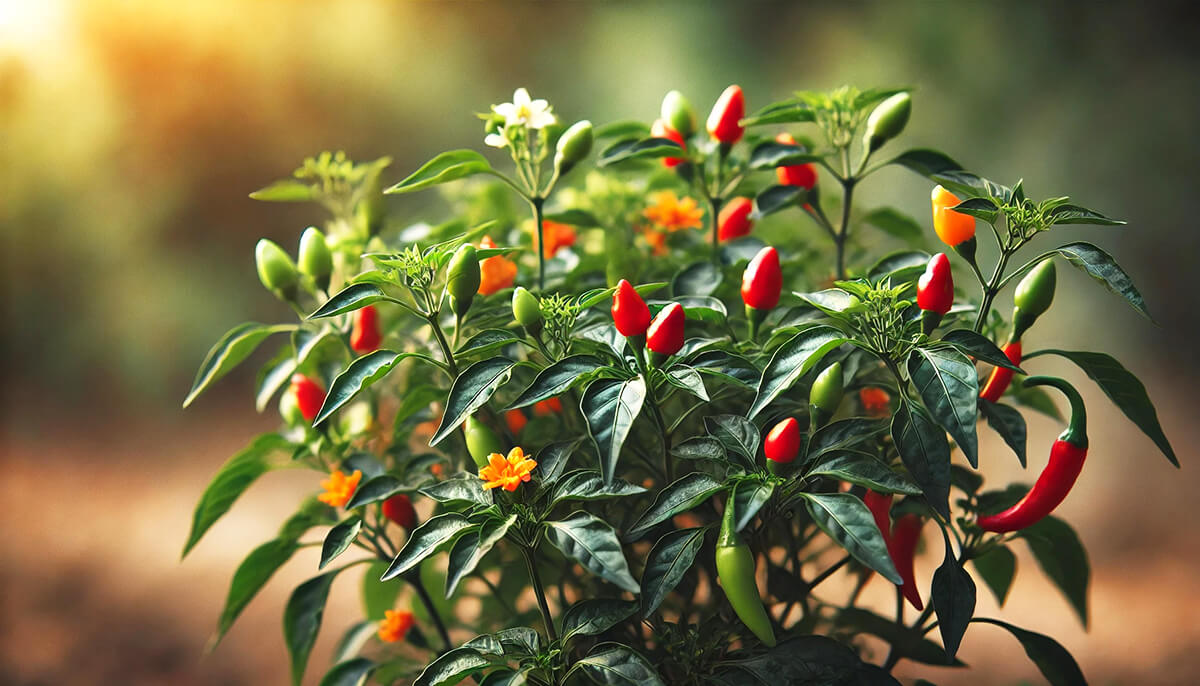
Native to México, Arizona, New México, and parts of Texas, piquín peppers grow wild in many regions, often along roadsides and semi-arid environments. They are thought to be one of the ancestors of domesticated chili peppers.
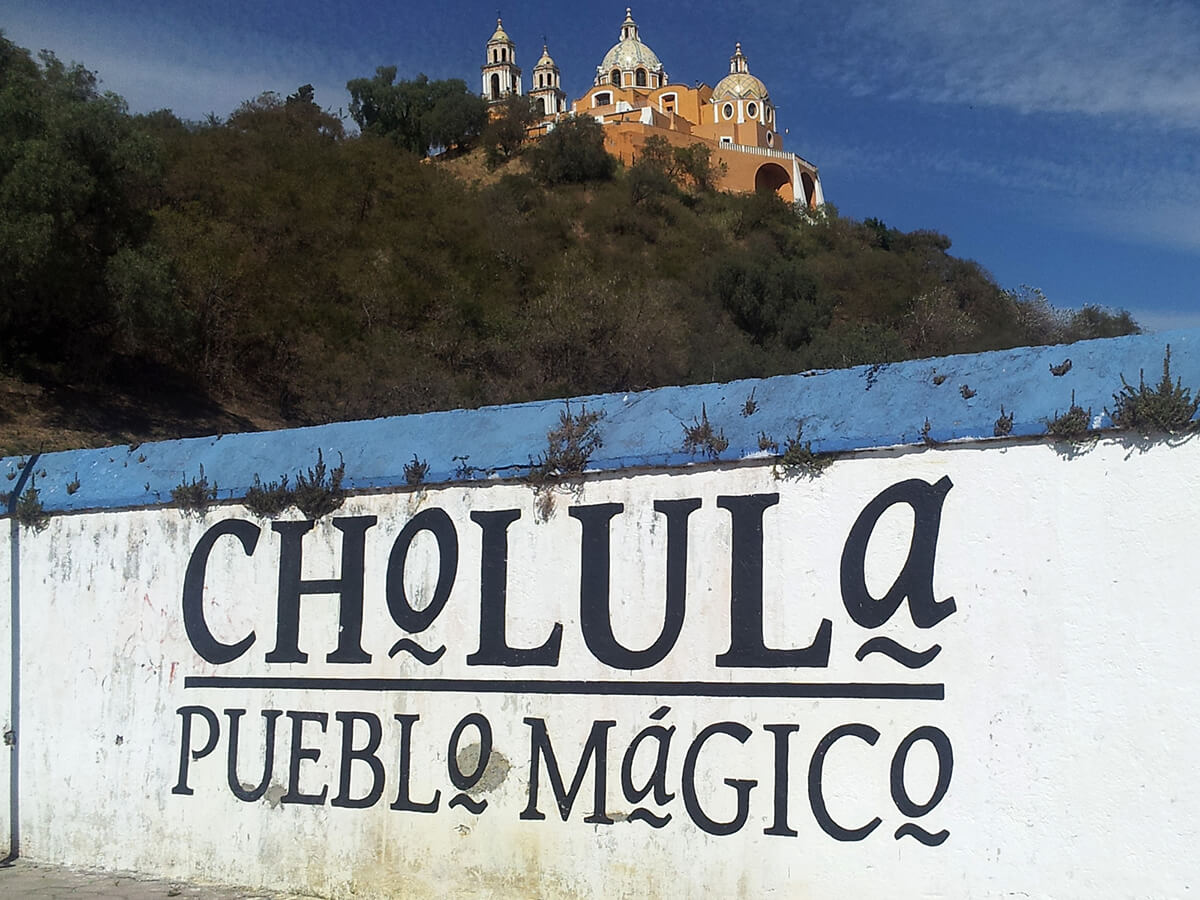
In México, piquín peppers are grown in Puebla, México (Fig 2), along with other regions such as Tamaulipas, Veracruz, Oaxaca, and the Yucatán Peninsula. They are often harvested from the wild rather than cultivated on large farms.
Piquín peppers range in heat from 40,000 to 60,000 Scoville, making them significantly hotter than jalapeños (which range from 2,500 to 8,000 SHU). Their complex flavor is fruity, smoky, and slightly citrusy with a hint of nuttiness. Even though they are significantly hotter than jalapeños, the pungency quickly dissipates when eaten.
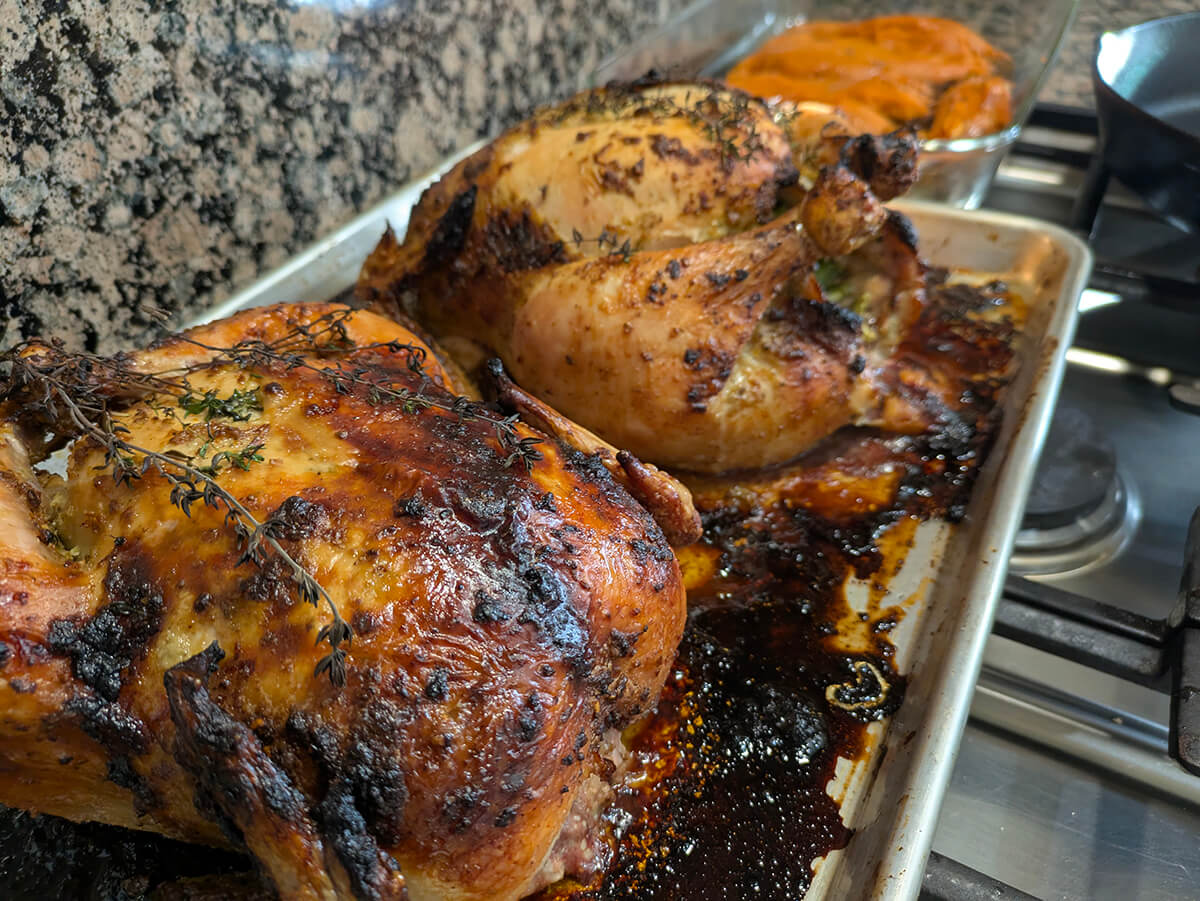
I first became familiar with piquín peppers while watching Pati's Méxican Table, one of my favorite cooking shows. I use the peppers primarily in two of Pati's recipes: piquín salsa verde and roasted charred chicken. (Fig 3)
Piquín chilis (Fig 4) can be challenging to find in stores, depending upon where you live. Typically, you'll need to visit a Latin supermercado. I've seen them at Food City, El Super Markets, Los Altos Ranch Market, and, on occasion, Winco in the Phoenix area. They are very inexpensive.
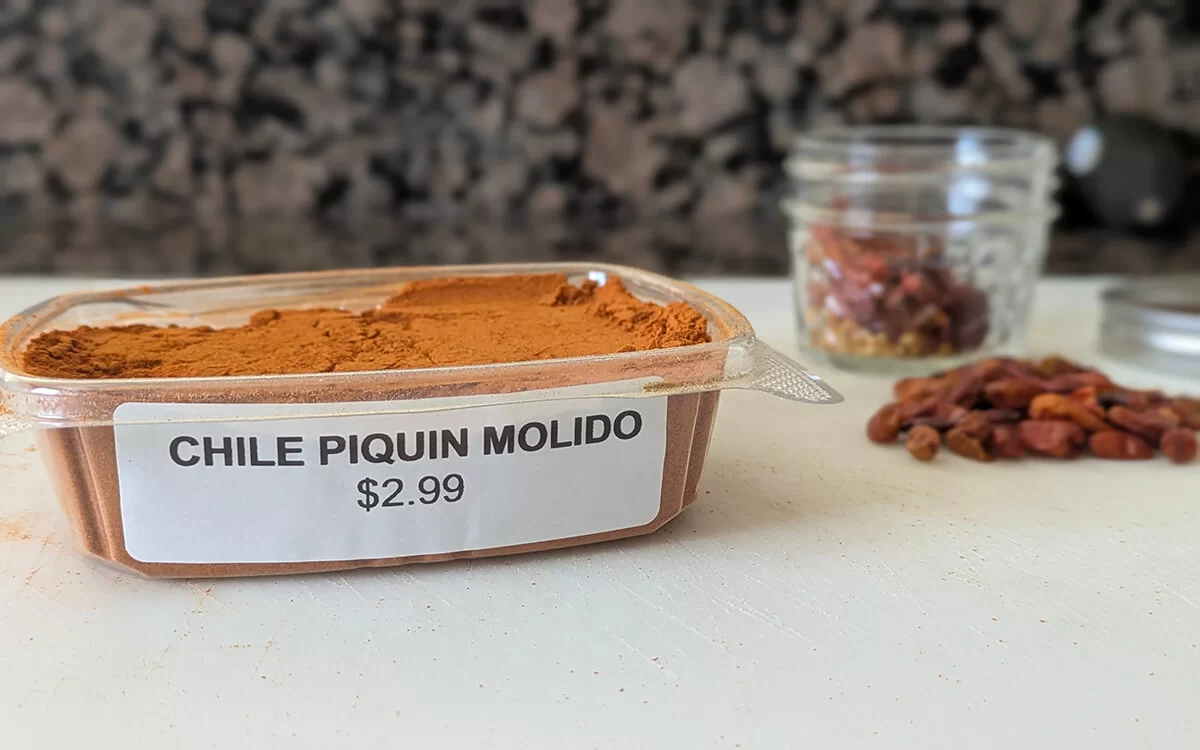
On a recent trip to Baltimore, I found chili piquín molido (ground piquín peppers) (Fig 5) in a Latin market named Jalapeños.
Because of their scarcity, I decided to grow my own piquín chilis. I purchased two plants from a vendor on Etsy for $14.99 each. I planted them in late spring, and by the end of the summer, they had barely managed to survive, even covered with Agfabric. In hindsight, I did not give them the best chance at survival. I planted them too late in the season and did not supplement the ground with enough garden soil.
In December, I transplanted both very sad-looking plants to an area that receives considerably more shade in preparation for the coming summer months. (Fig 6) I dug each hole about 3 times the size of the root ball and added plenty of store-bought garden soil. Because winter temperatures at night in Phoenix are cool and the days are short, the plants have not done much regarding new growth. However, I did recently discover several new peppers and several flowers.

The flowers of the piquín peppers are star-shaped, and typically white or pale greenish in color. The flowers have five to seven petals and are self-pollinating, like other members of the Capsicum annuum family.
How to Grow Chili Piquín Peppers
Growing piquín peppers is easy but requires warmth, sunlight, and well-draining soil. They are hardy to USDA Hardiness Zone 9a -11. These perennial plants can grow 2 to 4 feet tall and thrive in warm climates. My experience tells me they prefer lots of water during the summer and protection from full sun in the Phoenix area.
They can be grown (as annuals) in colder zones or as potted plants and moved indoors when temperatures are below 40 degrees Fahrenheit.
If you prefer to start from seed, you can break open the peppers purchased from a store and plant the seeds. Alternatively, you can buy Piquín pepper seeds online. The seeds take a few weeks to germinate, after which the seedlings can be moved to pots or planted outdoors once established.
Piquín pepper plants grow slowly compared to, for example, jalapeño or habanero peppers. They can grow to 12-24 inches tall over a few months. At full maturity, plants can reach 2-4 feet tall.
Flowering starts in spring but can bloom year-round depending on the climate. I've seen piquín peppers bloom here in Arizona as early as mid-February. The plant will continue to produce peppers well into the fall and even as late as early winter (Arizona and other warm climate areas). As the peppers mature, they'll turn from green to bright red. When ready for harvest, the peppers pop off easily with a slight tug at the base of the pepper.
Because piquín peppers are a delicacy for some birds, you must protect the plant as the peppers mature. Agfabric, a maker of bird netting and shade cloth products, works well at preventing birds from escaping with your peppers.
Harvesting and Storing Piquín Peppers
After you have picked your peppers, it's time to give them a quick rinse in cool water. Pat the peppers dry with a paper towel or a clean dish towel. Next, place the peppers on a half-sheet baking pan. Spread them evenly so they are not piled on each other to allow them to dry.
Place the tray in a warm area. When shaken, the peppers will make a noise like a child's rattle, indicating that they have finished drying. I've heard others mention they dry the peppers directly in the sun.
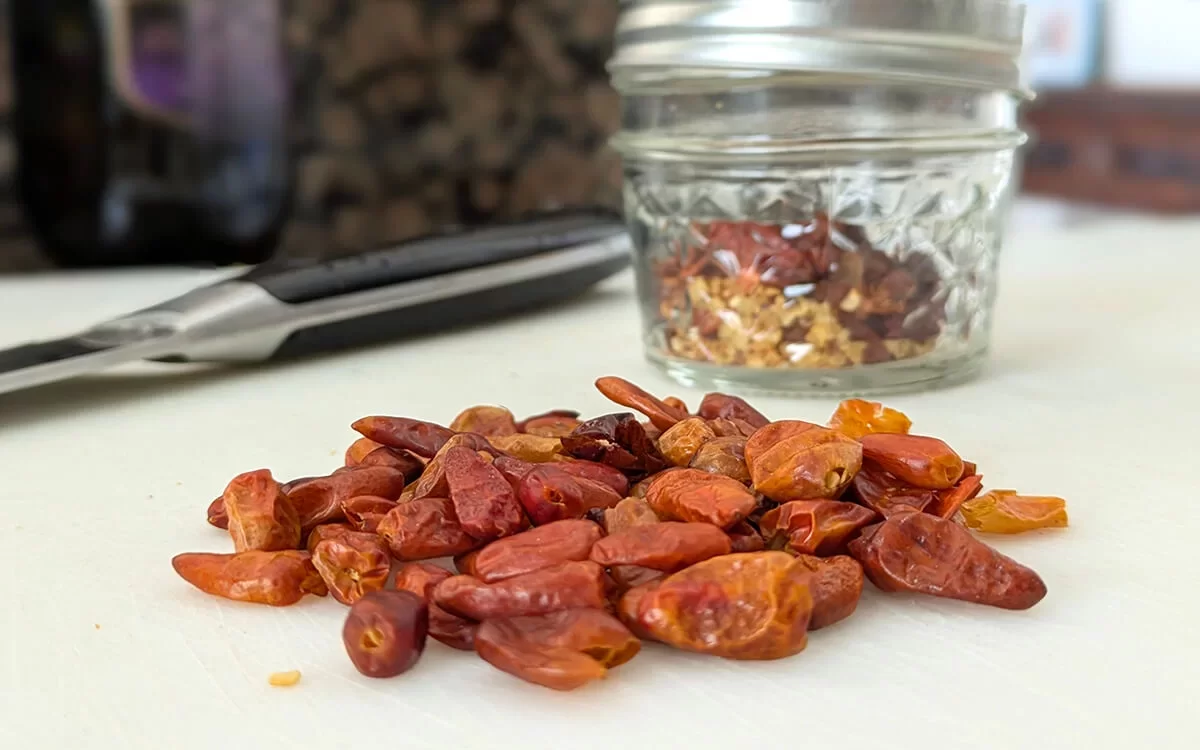
I prefer to keep the peppers whole after the drying process. As with any spice, whole spices maintain their freshness level for much longer than ground spices. Place the peppers in a Mason-style jar and store in a cool, dark place.
If you prefer to store your peppers in a ground form (chili piquín molido), a coffee bean grinder makes an excellent choice for grinding. Don't use a grinder previously used for coffee beans; your peppers will taste like coffee (or your coffee will taste like peppers).
When I am ready to use my peppers, I place a few on a cutting board and chop the peppers into small pieces using a chef's knife. I also use a molcajete, a traditional Mexican version of a mortar and pestle. Investing in a good molcajete is worthwhile if you enjoy cooking authentic Mexican food.
A tradition molcajete is made from volcanic rock. It originated with the Aztecs, before the arrival of Europeans to México. The word molcajete comes from the Nahuatl word molcaxitl, which means "sauce dish."
The dried peppers will also grind up nicely in a blender when mixed with other ingredients in a recipe.
Additional Resources
Chilean Journal of Agricultural Research:
Pungency and fruit quality in Mexican landraces of piquín pepper (Capsicum annuum var. glabriusculum) as affected by plant growth environment and postharvest handling

Ask Me! 
Need some expert guidance? Shoot me a message, and I'll provide actionable, free advice to solve your problem.
Message Me