
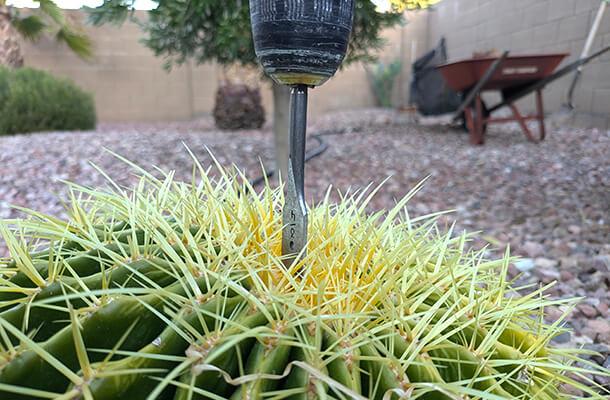
Cactus coring is a process used to produce offsets in a cactus that is either too young to produce offsets or is not producing offsets on its own. (Fig 1)
Cactus coring involves drilling a small circular hole in the middle of the cactus, which removes its apical center (meristem). The apical center initiates new growth, which increases the cactus's height.
Meristem is type of tissue found in cactus and other plants. The meristem is unique because it consists of stem cells (meristemaic cells) that can that change to a more specialized cell type through cell division.
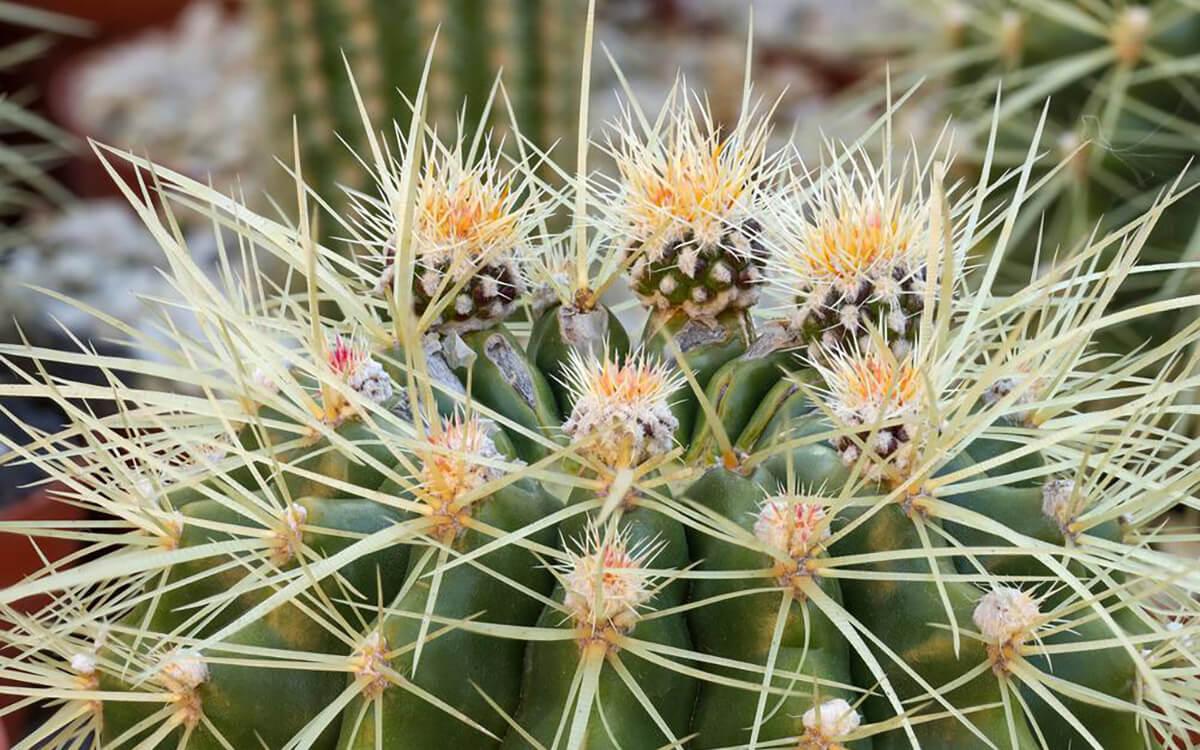
While not a common practice with hobbyists, cactus coring is more commonly used by commercial growers to increase the value of specimens. Instead of a single cactus, coring can produce a cactus with a dozen or more offsets, resulting in a beautiful mounding effect.
Cactus coring can also be used to propagate a cactus. The resulting offsets can be removed and potted, eventually producing a collection of exact clones of the original cactus.
Things to Know Before You Begin Cactus Coring?
Before you try cactus coring, remember that success is not guaranteed. You could lose your cactus! You may even want to consider purchasing an inexpensive cactus to use as a "test." (Fig 2)
Because drilling a hole into the center of a cactus can be stressful, it's a good idea not to attempt cactus coring during the summer months, especially if you live in the Phoenix area, where it's not uncommon to see cacti perish from the intense heat and sun. Drilling a hole into a cactus during the summer months may finish off a cactus struggling to survive.
Consider the amount of rain your area receives before starting. The resulting hole in the center of a cactus is an invitation for rot if a large amount of water collects in the center of the cactus.
Here in the Phoenix area, the best time to try cactus coring (for cacti planted outdoors) is between late September and early December. During this time of year, temperatures will have subsided somewhat, and rainfall will be minimal.
If you are coring a potted cactus, any time of the year is fine, as long as you can provide the cactus with adequate shade or keep it indoors.
Getting Started
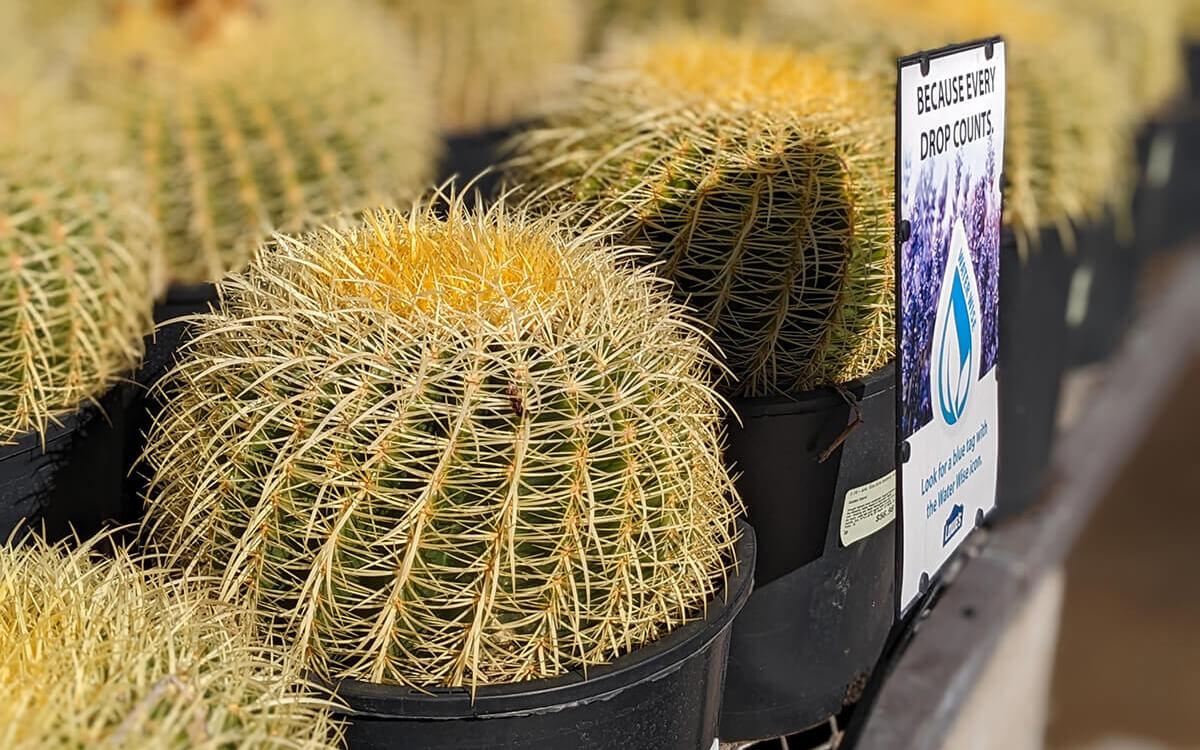
Cactus coring can be implemented on many different types of cacti (including succulents), but the golden barrel cactus (Kroenleinia grusonii) is the most popular specimen used for this process. (Fig 3) It is a hardy, inexpensive cactus.
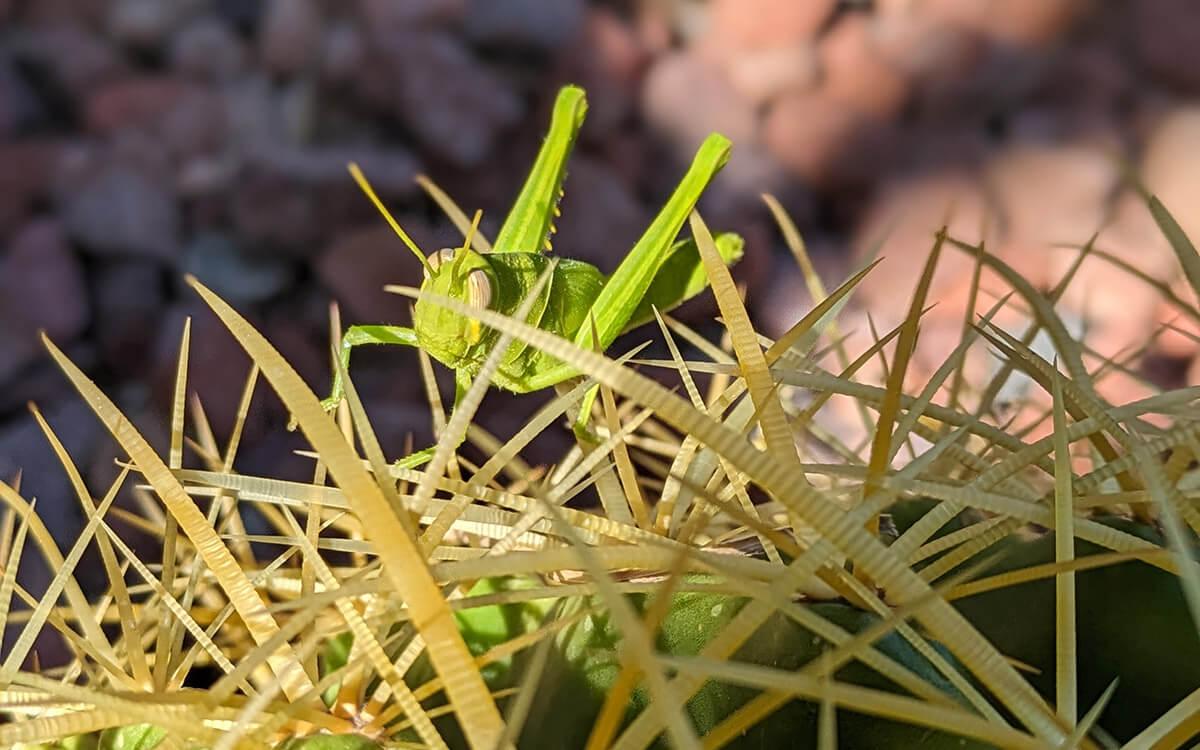
You will need a few basic tools to core a cactus, including:
Using a drill with a 5/8″ spade bit, drill a hole in the cactus's apical center (the area with soft fleshy tissue). Continue drilling the hole until you feel a slight resistance from the woody bottom of the cactus. Be careful not to drill a hole through the entire cactus!
The rest of the process involves lots of patience, mi amigos. Offsets may take several months (or more) to appear, especially depending upon the time of year you perform the coring. No hard science suggests the exact time of year offsets can emerge. Some research says offsets can appear during spring and summer, while others mention offsets can emerge at any time of year. Additionally, growth rates will differ depending on the species of cacti.
A second factor involves environmental conditions. A potted cactus grown inside a home will react differently from a cactus planted in soil outdoors. If growing indoors, place your cored cactus in a window with southern exposure and let the soil dry before watering.
Depending upon where you live, a cored cactus planted outside needs no watering beyond what nature provides.
Why does Cactus Coring Produce Offsets?
As mentioned earlier, a cactus's apical meristem (center) controls its growth. The apical center extends through the center of the cactus and inhibits the cactus from producing branches.
The meristem produces a hormone called auxin, which suppresses the growth of lateral buds. When the meristem is removed via cactus coring, levels of auxin decrease (or cease), allowing the lateral buds to grow into offsets.
Because it can no longer grow upwards, in order to survive, it must produce new clones (offsets) that appear on the sides of the hole drilled in the cactus. Instead of growing in height and width, the barrel cactus will direct future growth in the form of offsets (clones).
The offsets can be removed and potted as a new plant or left intact, producing a mounding effect of numerous cacti attached to the original plant.
Over time, the original cactus will serve more like a host (to the offsets). Since it can no longer grow in size, the offsets will eventually overtake the original cactus, leaving intact the root system, which provides water and nutrients to the offsets.
The process of producing offsets is known as asexual reproduction and is often the result of an injury to the original plant. In order to survive, the host plant produces offsets.
It's common, for example, to see cacti that have suffered from frostbite experience damage to the apical center. Damage from frost can trigger a cactus to produce offsets.
How the Hormone Auxin Regulates Growth
Auxin is a plant hormone class that plays a crucial role in regulating plant growth and development. The most common naturally occurring auxin is indole-3-acetic acid (IAA). Auxin is integral to various physiological processes, influencing cell elongation, root initiation, and responses to light and gravity.
- Cell Elongation and Growth: Auxins promote the elongation of cells in stems by loosening the cell walls, allowing them to expand. This is essential for the vertical growth of plants.
- Apical Dominance: Auxin produced at the shoot tip suppresses the growth of lateral (side) buds, a phenomenon known as apical dominance. This ensures that the plant grows taller rather than wider. When the apical meristem is removed (e.g., through pruning or coring), auxin levels decrease at the tip, releasing the lateral buds from inhibition and allowing them to grow.
- Root Development: Auxins stimulate the initiation of roots in stem cuttings and are commonly used in horticulture to encourage rooting when propagating plants.
Synthetic auxins have been developed for agricultural and horticultural purposes. These auxins mimic the behaviors of the natural hormones but have been engineered to produce highly specific functions, including rooting hormones for use in new plantings and herbicides, which produce uncontrolled growth in weeds, causing weeds to self-destruct.
Additional Resources
Oxford Academic - Systems Analysis of Shoot Apical Meristem Growth and Development: Integrating Hormonal and Mechanical Signaling
Frontiers - A Growing Stem Inhibits Bud Outgrowth – The Overlooked Theory of Apical Dominance

Ask Me! 
Need some expert guidance? Shoot me a message, and I'll provide actionable, free advice to solve your problem.
Message Me